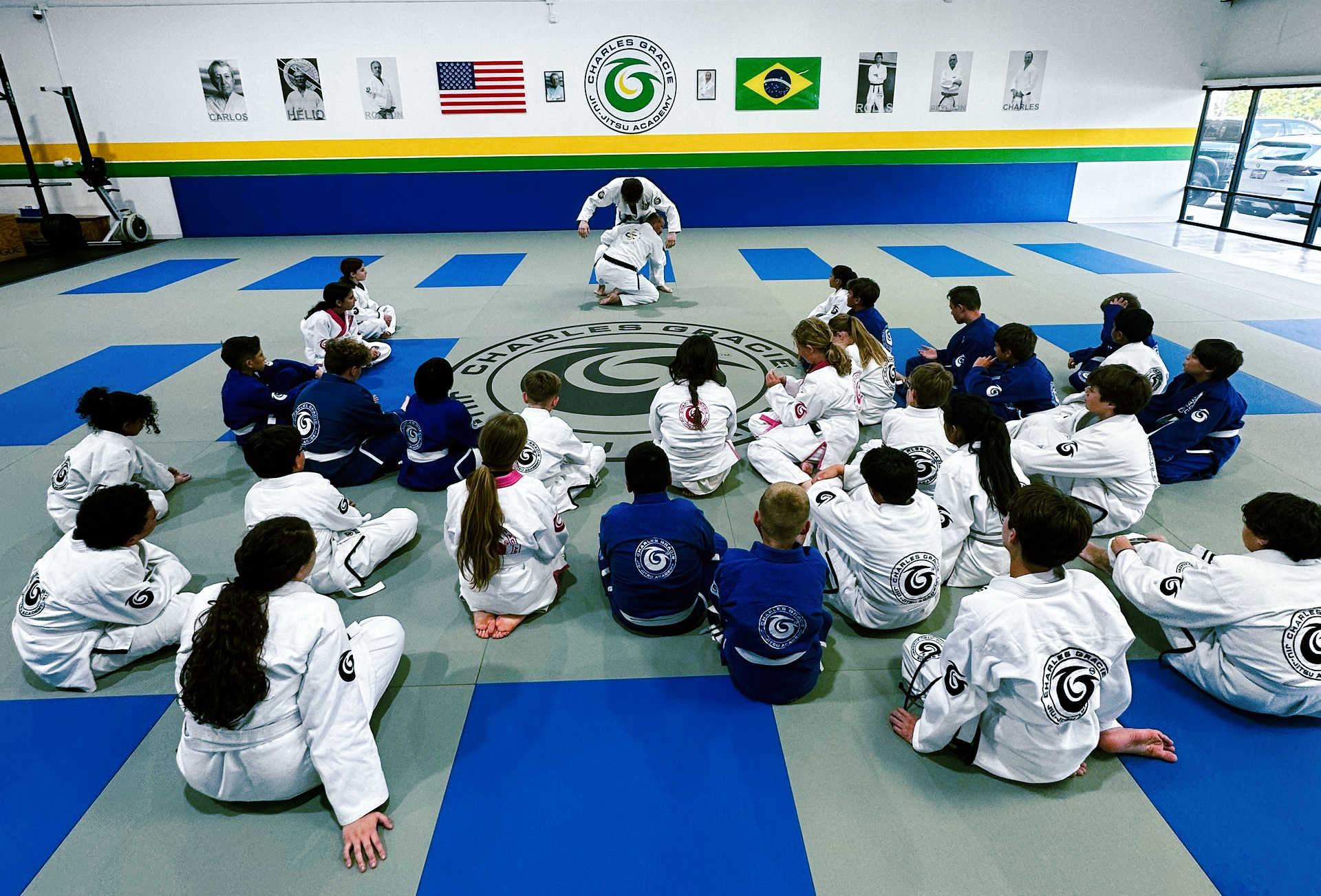
Soccer. Baseball. Basketball. Football. Team sports can be incredible experiences for children. They offer exercise, friendships, teamwork, competition, and a sense of belonging. Research supports many of those benefits, too. But what happens when your child just doesn't seem to enjoy them? Maybe they dread going to practice. Maybe they're uncomfortable competing for playing time. Maybe they're hesitant in a big group, frustrated when they can't keep up, or simply haven't found a sport that makes them excited to participate. It doesn't necessarily mean your child "isn't athletic." Maybe they just haven't found their sport yet. For some children, Brazilian Jiu-Jitsu offers a very different way to experience athletics—and that difference can matter. First: Team Sports Are Great for Kids This isn't a Jiu-Jitsu-versus-soccer argument. In fact, research consistently supports the value of organized sports for children and adolescents. A large 2026 systematic review examining 189 studies found that youth sport participation was associated with positive psychological and social outcomes, including higher self-esteem, stronger feelings of belonging, improved interpersonal skills, and greater life satisfaction.[1] Interestingly, the researchers found that team sports tended to demonstrate stronger and more consistent benefits than individual sports, particularly when it came to social development. So, we're certainly not here to tell parents to pull their kids off the soccer field. But we also know something from years of coaching children: Not every child thrives in the same environment. A nd that's okay. Some Kids Need a Different Kind of Sport Traditional team sports often require children to navigate several things at once. They're learning the sport itself, figuring out their position, keeping track of teammates and opponents, competing for playing time, responding quickly to a constantly changing environment, and sometimes feeling the pressure of knowing that their performance affects the entire team. Some children absolutely love that. Others don't. Jiu-Jitsu provides a different experience. While students train together and absolutely become part of a team, much of their progress is individual. Your child doesn't have to score the winning goal. They don't have to be the fastest kid on the field. They don't have to worry about being picked last. They don't have to sit on the bench because another student is more advanced. Their progress belongs to them. In Jiu-Jitsu, Success Can Look Different for Every Child One of our favorite things about teaching children is realizing just how different their victories can be. For one student, success might be learning a difficult technique. For another, it might be remembering the steps without help. For another, it's finally volunteering to demonstrate in front of the class. And sometimes? Success is simply putting on the uniform and walking onto the mat. At Charles Gracie Jiu-Jitsu Magnolia, we've worked with children who couldn't bring themselves to participate during their first class. We've had children who needed time just to become comfortable wearing the gi. We've had students who stood at the edge of the mat watching before they were ready to join the group. We don't expect every child to walk through our doors bursting with confidence. We meet them where they are, encourage them to take the next reasonable step, and give them the time and support to become comfortable while still maintaining the structure and expectations of the class. Eventually, "I'll just watch" can become "I'll try." And sometimes "I'll try" becomes "I did it." Those moments matter. Individual Progress—Without Being Alone This is where Jiu-Jitsu occupies an interesting space. It has many characteristics of an individual sport: your child develops their own skills, progresses at their own pace, and ultimately has to solve the problem in front of them. But they can't learn Jiu-Jitsu alone. They need training partners. Students drill together. They solve problems together. They learn how to communicate with partners of different ages, sizes, personalities, and skill levels. More experienced students help beginners. Partners shake hands before and after training. And everyone in the room understands what it feels like to struggle with something before finally figuring it out. That combination— individual progress within a social environment —can be a wonderful fit for certain kids. Research into youth sports suggests that social support, peer belonging, and positive self-perception may be important pathways through which sports support children's psychological well-being.[1] Jiu-Jitsu gives children an opportunity to experience those things without requiring their individual progress to look exactly like everyone else's. What Does the Research Say About Martial Arts? Research specifically examining martial arts in children and adolescents is encouraging, although it's important not to overstate what we know. A systematic review of youth participation in martial arts and combat sports reported positive findings related to self-confidence, self-esteem, resilience, and emotional regulation.[2] The researchers also found something we think is particularly important: Outcomes can depend on how the program is taught. Instructor relationships, program philosophy, teaching methods, and the overall training environment can influence the experience children have in martial arts. That makes sense to us. Simply enrolling a child in "martial arts" isn't magic. The culture surrounding that child matters. The way instructors respond to mistakes matters. The way classmates treat one another matters. Whether a child feels safe asking for help matters. And whether coaches understand the difference between encouraging a hesitant child and overwhelming one matters. Physical Activity Matters—But Finding Something They Enjoy Matters Too There's another reason not to give up when your child doesn't connect with the first sport you try: children need opportunities to move. Organized sports are one way to provide that opportunity, and research reviews have found positive associations between sports participation and children's psychological and social health.[1][3] But a sport can't provide much benefit if a child refuses to participate in it. That's why finding the right fit matters. Some kids love running across a soccer field. Some love standing at home plate. Some love swimming laps. And some discover that they'd rather spend an hour on a mat trying to figure out how to escape side control. There's room for all of them. "Not a Sports Kid" Might Not Be the End of the Story We sometimes hear parents describe their child as "just not a sports kid." And sometimes that's true. Not every child is going to fall in love with athletics. But sometimes a child who dislikes one type of sports environment surprises everyone when they're introduced to another. We've seen kids who were hesitant about physical activity become fascinated by the problem-solving aspect of Jiu-Jitsu. We've seen children who weren't comfortable performing in front of a crowd become completely focused when working one-on-one with a training partner. We've watched children who initially weren't sure they even wanted to step onto the mat begin walking through the academy doors ready to train. That doesn't happen for every child, and it certainly doesn't happen overnight. But it happens often enough that we believe it's worth giving kids the opportunity to discover what kind of movement and challenge speaks to them. Jiu-Jitsu Is Physical—But It's Also a Puzzle One reason some children connect with Jiu-Jitsu is that athletic ability isn't the only thing being challenged. Brazilian Jiu-Jitsu is deeply technical. Students learn how body position, leverage, timing, balance, and movement can help them solve the problem their partner presents. What happens if my partner moves this way? Where should my arm go? Why didn't that technique work? What could I do differently next time? For a child who enjoys figuring things out, that can make exercise feel less like "working out" and more like solving a moving puzzle. And when they finally solve one? They know they earned it. The Goal Isn't to Find the "Best" Sport The goal is to help your child find an activity where they can move their body, learn, struggle safely, connect with other people, and experience the satisfaction of getting better at something. For some children, that's a traditional team sport. For others, it might be dance, swimming, gymnastics, running—or Jiu-Jitsu. What matters is finding an environment where your child has an opportunity to grow. So if soccer didn't work out, don't assume your child isn't athletic. If baseball wasn't their thing, don't assume they don't like sports. And if they've tried several activities without finding one that clicks, don't give up on them. They may simply not have found their sport yet. Could Jiu-Jitsu Be Their Sport? At Charles Gracie Jiu-Jitsu Magnolia, we welcome beginners—including the nervous ones, the quiet ones, the kids who don't think they're athletic, and the ones who aren't quite sure they want to walk onto the mat yet. We'll encourage them. We'll challenge them. We'll be patient when they need patience and give them a gentle push when we know they're ready for the next step. Most importantly, we'll give them an opportunity to discover what they're capable of. Because sometimes finding the right sport changes the way a child thinks about being "athletic." And sometimes it starts with something as simple as taking that first step onto the mat. References [1] Eather N, et al. The impact of sports participation on psychological health and social outcomes in children and adolescents: a systematic review and update to the "Mental Health through Sport" conceptual model. Systematic Reviews. 2026. [2] Putra, et al. Psychological outcomes of martial arts and combat sports participation in youth: a systematic review. Journal of Educational and Learning Studies. [3] Eime RM, et al. A systematic review of the psychological and social benefits of participation in sport for children and adolescents: informing development of a conceptual model of health through sport. International Journal of Behavioral Nutrition and Physical Activity. 2013.
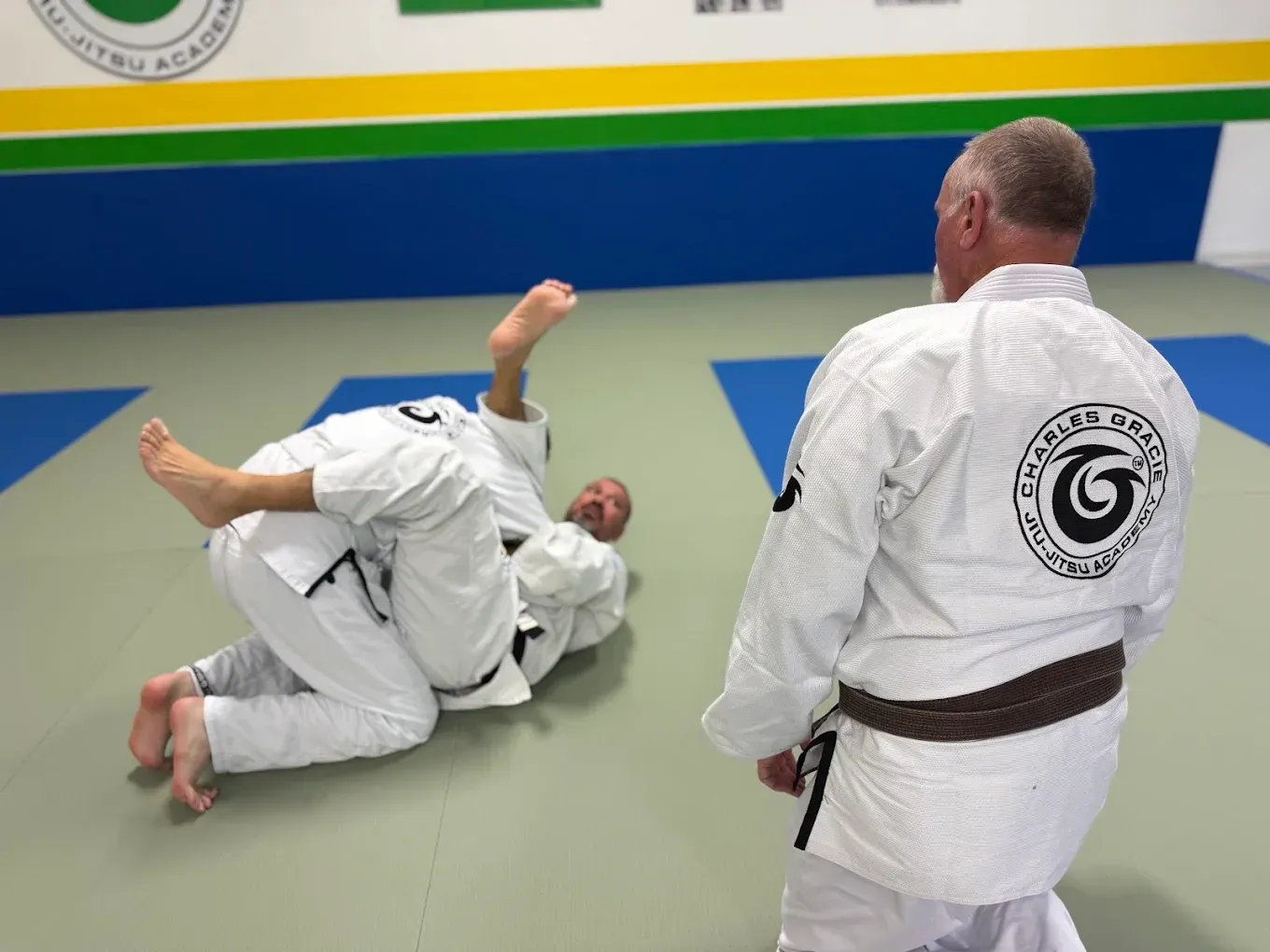
If you've ever thought about trying jiu-jitsu but told yourself: "I need to get in shape first." You're not alone. Maybe it's been years since you've exercised consistently. Maybe you'd like to lose some weight. Maybe your cardio isn't what it used to be. Or maybe the idea of walking into a martial arts academy where you assume everyone else is already fit, strong, and experienced feels a little intimidating. So you make yourself a deal: I'll start once I lose 10 or 20 pounds. I'll start after I get back into the gym. I'll start when my cardio is better. Here's the problem: You're trying to get ready for the very thing that can help you get ready. You don't have to get in shape before starting jiu-jitsu. You just have to start. Beginners Are Supposed to Be Beginners One of the strangest expectations we place on ourselves as adults is believing we should somehow already be good at something we've never done. We don't expect that from our kids. When a child starts a new sport, we expect them to need instruction. We expect them to get tired. We expect them to make mistakes. We tell them: "Give it time." "You're still learning." "Nobody is good at something the first time they try it." And then it's our turn to try something new, and suddenly those rules disappear. Adults walk into their first jiu-jitsu class worried that they're too old, too heavy, too weak, too inflexible, or too out of shape. But that's exactly what a beginner is supposed to be: Wherever they are today. You aren't expected to arrive ready for jiu-jitsu. Training is what gets you there. Jiu-Jitsu Really Is a Workout We don't need exaggerated fitness claims to make this point. There's actual research behind it. Brazilian Jiu-Jitsu is an intermittent sport, meaning periods of higher, moderate, and lower intensity occur throughout training and sparring. A systematic review examining 58 studies involving 1,496 participants looked at major physical components involved in BJJ, including aerobic and anaerobic fitness, muscular strength, power, body composition, and muscular endurance. Researchers also noted the particular importance of strength endurance because grappling requires athletes to repeatedly maintain muscular effort during training and competition. In everyday terms? You're moving. You're pushing. You're pulling. You're gripping. You're stabilizing. You're getting up and down from the floor. You're using your core. And you're doing all of that while trying to solve the physical puzzle happening in front of you. It doesn't feel much like spending 45 minutes staring at the timer on a treadmill. And you certainly don't need an athlete's conditioning to begin developing those abilities. What About Weight Loss? This is worth talking about honestly because losing weight is one of the reasons many adults decide they want to become more active. Can jiu-jitsu be part of a weight-loss journey? Absolutely. But no exercise program—including jiu-jitsu—is a magic weight-loss solution. The CDC explains that physical activity increases the amount of energy your body uses, while weight loss ultimately occurs when that contributes to a calorie deficit. Nutrition therefore matters too, and the amount of physical activity needed for weight management varies considerably from person to person. That's why we'd rather tell you the truth than promise that jiu-jitsu will make a certain number disappear from the scale. What regular physical activity can do is much bigger than that. The CDC reports that physical activity can improve sleep, reduce feelings of anxiety, strengthen bones and muscles, and lower the long-term risk of conditions including heart disease, stroke, and type 2 diabetes. That's a pretty compelling reason to move your body—regardless of what the scale says. "But I Know I'm Going to Get Tired." You probably will. That's okay. You may need breaks during your first classes. That's okay too. Your first goal isn't to keep up with someone who has been training for five years. Your first goal is simply to begin. Then come back. And come back again. Federal physical-activity guidance recommends that adults work toward at least 150 minutes of moderate-intensity aerobic activity each week , along with muscle-strengthening activity on at least two days. But importantly, the CDC also emphasizes that adults who are inactive can build toward those goals—and even some moderate-to-vigorous physical activity provides health benefits. You don't have to transform your fitness overnight. You build it. One class at a time. You May Be Surprised by What Changes One of the great things about starting jiu-jitsu is that progress isn't always measured by a scale or a stopwatch. Sometimes you notice it when climbing the stairs doesn't leave you as winded. Or when you make it through another round before needing a break. Maybe you realize you're moving more easily. You're stronger than you were. You're sleeping better. Or something that felt impossible during your first week suddenly feels...normal. Those little changes add up. And because jiu-jitsu is also something you're learning , the motivation can feel very different from exercising simply because you think you're supposed to exercise. You're not just working out. You're learning a skill. The Hardest Part May Be Walking Through the Door For many adults, physical fitness isn't actually the biggest obstacle. It's being a beginner again. It takes a little courage to walk into an unfamiliar room, put on a gi, and admit that you don't know what you're doing. We understand that. At Charles Gracie Academy Magnolia, we aren't looking for people who are already great at jiu-jitsu. That's our job. We want people who are willing to learn. Our adult classes are designed to be welcoming to beginners, and our instructors will help you learn at an appropriate pace. You don't need previous martial arts experience. You don't need to be an athlete. And you certainly don't need six-pack abs. You just need to be willing to take that first step. Stop Waiting Until You're "Ready" If you've been telling yourself you'll start when you're fitter, stronger, thinner, or more confident, consider this: Maybe those aren't prerequisites for starting. Maybe they're part of the journey. We give our children permission to be beginners all the time. Maybe it's time we gave ourselves the same permission. You don't get in shape so you can start jiu-jitsu. You start jiu-jitsu—and getting stronger, healthier, and more capable can become part of the journey. Maybe This Is Your Sign to Start If you've been thinking about trying Gracie Jiu-Jitsu, we've made it a little easier to finally say yes. For a limited time, new adult students at Charles Gracie Academy Magnolia can train September through December for $500—and we'll include your Charles Gracie gi FREE. Sign up now, and you can train the rest of August free. Four months. A new gi. A chance to learn something new. And maybe the beginning of a stronger version of yourself. You don't have to get ready first. Come as you are. We'll start from there. Sources Andreato LV, Díaz Lara FJ, Andrade A, Branco BHM. Physical and Physiological Profiles of Brazilian Jiu-Jitsu Athletes: a Systematic Review. Sports Medicine - Open, 2017. Centers for Disease Control and Prevention. Health Benefits of Physical Activity for Adults. Updated March 10, 2026. Centers for Disease Control and Prevention. Physical Activity and Your Weight and Health. Updated April 7, 2026. Centers for Disease Control and Prevention. Steps for Getting Started With Physical Activity.
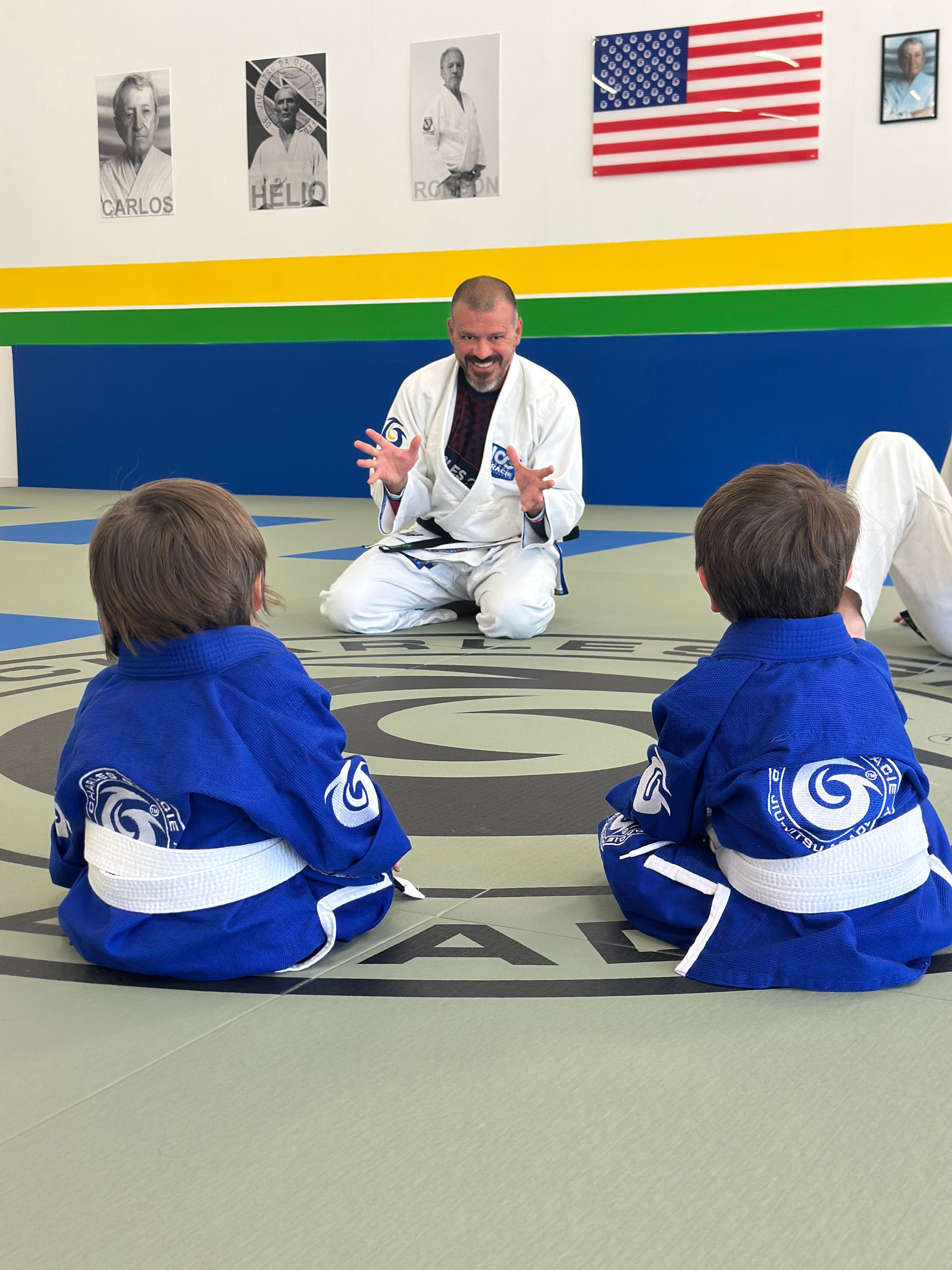
As parents, it's one of the hardest things to watch. Your child is excited to try something new. They can't wait to start. Then, almost as quickly as that excitement appeared, frustration sets in. "I can't do it." "It's too hard." "I'll never get this." Whether it's tying shoes, learning to read, riding a bike, solving a math problem, or stepping onto the jiu-jitsu mats for the first time, every child eventually reaches a moment where they have a choice: push through the frustration or give up. As parents, our instinct is often to jump in and make things easier. We want to fix the problem, encourage them, or protect them from disappointment. But what if those moments of frustration are actually some of the most important moments in a child's development? Frustration Isn't a Sign of Failure One of the biggest misconceptions about learning is that progress should feel smooth. In reality, frustration is often a sign that learning is happening. When children attempt something that is just beyond their current abilities, their brains are building new connections. Psychologists often refer to this as the "productive struggle" that occurs during learning. While it can feel uncomfortable, it's also where meaningful growth takes place. Executive function skills—such as planning, problem-solving, adapting, and self-control—develop gradually through repeated experiences that require children to think, adjust, and try again. In other words, frustration isn't proof that your child can't do something. It's often proof that they're learning. What We See on the Mats Every Week At Charles Gracie Academy Magnolia, we see this almost every day. A child struggles to shrimp across the mat. Another can't quite remember the steps to a technique. Someone gets swept by a training partner for what feels like the hundredth time. There are moments when children want to quit—not because they don't enjoy jiu-jitsu, but because they're experiencing something unfamiliar: being challenged. The beautiful thing is that they aren't facing those challenges alone. Our instructors encourage them, break techniques into smaller pieces, celebrate small victories, and remind them that nobody masters anything overnight. Little by little, frustration begins to turn into confidence. Not because the challenges disappear. Because the child realizes they can overcome them. Confidence Isn't Built by Avoiding Hard Things One of the biggest myths about confidence is that it comes before success. In reality, confidence usually comes after doing something difficult. Every time a child works through frustration instead of giving up, they begin to rewrite the story they tell themselves. Instead of thinking: "I can't do hard things." They begin to think: "This is hard... but I can figure it out." That shift may seem small, but it has enormous implications—not just in martial arts, but in school, friendships, sports, and eventually adulthood. Research on what psychologist Carol Dweck calls a growth mindset has consistently shown that children who learn to view challenges as opportunities to improve are more likely to persist through setbacks, seek out new challenges, and develop resilience over time. The way adults respond to mistakes and frustration plays a significant role in shaping that mindset. What Parents Can Do at Home When your child becomes frustrated, it's tempting to solve the problem for them. Instead, try helping them work through it. A few simple shifts can make a big difference: Replace "You can't do it." with "You can't do it yet." Praise effort, persistence, and problem-solving rather than natural ability. Let mistakes become opportunities for learning instead of something to fear. Remind your child that everyone starts as a beginner. Sometimes the greatest gift we can give our children isn't making life easier. It's helping them discover they're capable of doing difficult things. The Goal Was Never Perfect Jiu-Jitsu Parents often ask us what they should expect their child to gain from Gracie Jiu-Jitsu. Of course, they'll learn practical self-defense skills. They'll improve their coordination, balance, and fitness. Many become more confident and focused. But some of the greatest lessons happen quietly. A child who once cried before class now walks confidently onto the mats. A student who used to give up after one failed attempt stays with a technique until it clicks. Someone who once believed they "weren't good at this" begins helping a newer student through the exact same struggle. Those moments rarely make headlines. But they're the moments that shape character. One Challenge at a Time Life will always present our children with difficult moments. We can't remove every obstacle from their path. What we can do is help them build the confidence to face those obstacles with courage. At Charles Gracie Academy Magnolia, that's one of our favorite parts of teaching. Every class is another opportunity for children to discover that being frustrated doesn't mean they're failing. Sometimes, it simply means they're growing. References American Psychological Association. Research in brain function and learning (executive function, learning readiness, and problem-solving). American Psychological Association. Using praise to enhance student resilience and learning outcomes (Carol Dweck's growth mindset research and the benefits of praising effort and strategy). American Psychological Association. Top 10 Principles from Psychology for Families to Help Children Learn and Succeed in School (growth mindset, persistence, and learning from setbacks).
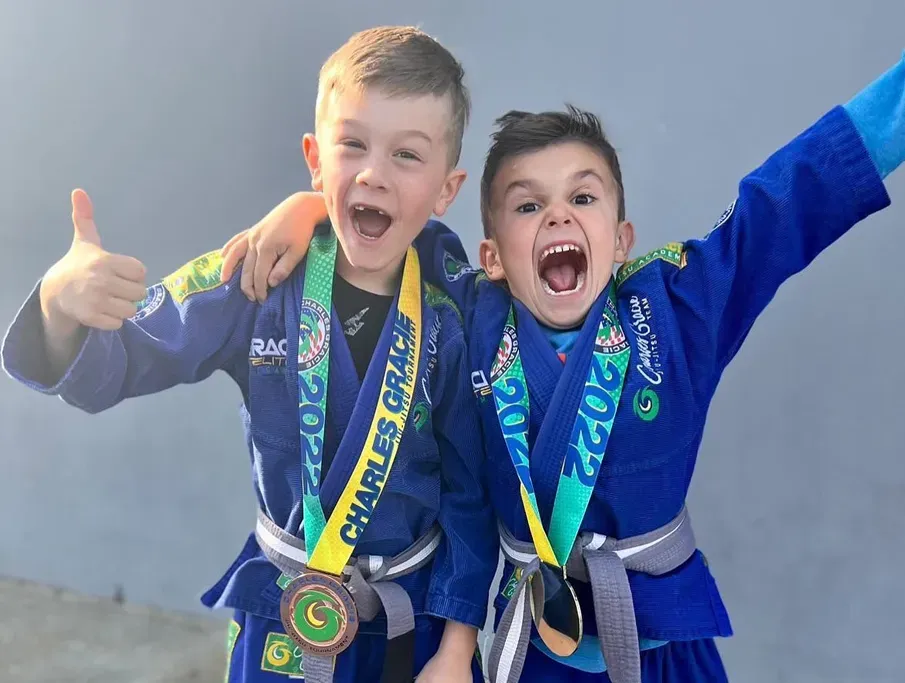
If you've ever found yourself saying... "My child hated soccer." "Baseball just wasn't their thing." "They didn't enjoy basketball." "They don't seem interested in team sports." ...you're certainly not alone. Many children thrive in team sports. They build friendships, learn cooperation, and develop valuable life skills. In fact, research consistently shows that participating in organized sports—especially team sports—is associated with positive physical, social, and emotional development. But what if your child simply doesn't enjoy that environment? Does that mean they're "not athletic?" Absolutely not. It may simply mean they haven't found the activity that's right for them. Every Child Is Different Some children love the excitement of a crowded soccer field. Others feel overwhelmed by it. Some enjoy working as part of a large team. Others prefer learning at their own pace. Neither personality is better than the other—they're simply different. As parents, our goal isn't to force children into activities they dislike. It's to help them discover something they'll enjoy enough to keep doing. Why GRACIE Jiu-Jitsu Feels Different One of the things we love most about Brazilian Jiu-Jitsu is that it combines the best of both worlds. Our students train together. They encourage one another. They celebrate each other's successes. They form friendships that often extend beyond the academy. In that sense, it absolutely feels like a team. But when it's time to learn? Each student's progress is their own. There isn't pressure to score the winning goal. There isn't a bench to sit on. There isn't a fear of letting teammates down after making a mistake. Instead, students focus on becoming a little better than they were yesterday. For many children, that shift changes everything. Progress You Can See One of the biggest differences parents notice in Gracie Jiu-Jitsu is that growth is visible. Children work toward stripes and belts by consistently showing up, improving their techniques, demonstrating good character, and putting in the effort. They're not competing against their classmates; they're developing themselves. That can be incredibly motivating, especially for children who became discouraged in other sports because they constantly compared themselves to others. What Does the Research Say? Research continues to show that organized sports provide important benefits for children, including improved physical health, self-esteem, and social development. Research on martial arts has also found promising benefits. Studies suggest that children who participate in martial arts may demonstrate improvements in executive functioning, attention, self-regulation, and physical fitness. While more research is still needed, the findings support martial arts as a valuable activity for children's overall development. The takeaway isn't that one activity is universally "better" than another. It's that the best activity is the one your child enjoys enough to keep showing up for. We've Seen It Time and Time Again At Charles Gracie Jiu-Jitsu Magnolia, we've met many children who tried several sports before walking through our doors. Some loved soccer. Some loved baseball. Some still play both. Others quietly admitted... "I just didn't like it." Then they found Gracie Jiu-Jitsu. Not because it was easier. Because it fit who they were. Watching a child discover confidence in an activity they genuinely enjoy is one of the most rewarding parts of what we do. It Doesn't Have to Be Either/Or One of the biggest misconceptions about Gracie Jiu-Jitsu is that it has to replace other sports. It doesn't. Many of our students play soccer, baseball, football, volleyball, or participate in dance while also training in jiu-jitsu. Brazilian Jiu-Jitsu complements many activities by helping children develop balance, coordination, body awareness, problem-solving, discipline, and resilience—skills that carry over into many aspects of life. The Right Sport Is the One They'll Keep Coming Back To At the end of the day, every child deserves an activity where they feel challenged, supported, and excited to learn. For some children, that's a team sport. For others, it might be Gracie Jiu-Jitsu. The important thing isn't choosing the "perfect" sport. It's finding the place where your child can grow, build confidence, and discover what they're capable of. If your child hasn't found that place yet, we'd love to meet your family. Schedule a free trial at Charles Gracie Jiu-Jitsu Magnolia and see why so many Magnolia-area families have discovered that Brazilian Jiu-Jitsu is more than just a martial art—it's a place to belong.
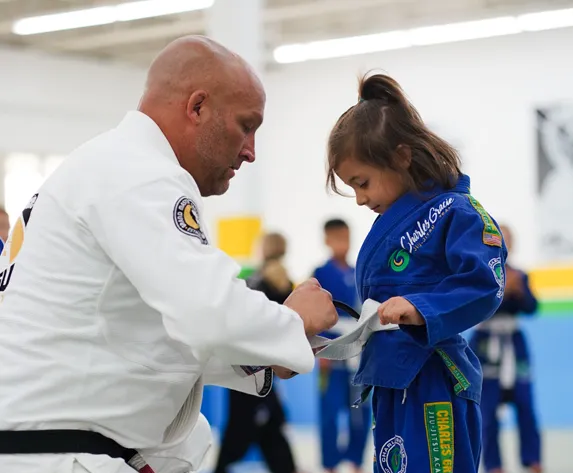
As parents, it's one of the hardest things to watch. Your child is excited to try Gracie Jiu-Jitsu. You buy the uniform, take pictures before class, and walk through the academy doors full of hope. Then, as class begins... They cling to your leg. They start crying. They refuse to step onto the mats. Suddenly, you're wondering if you've made a mistake. Should we just quit? Our answer is almost always... No. Trust the process. You're Not Alone If this has happened to your child, take a deep breath. It's far more common than you might think. Children experience new environments differently than adults. A room full of unfamiliar faces, a structured class, new instructors, and being asked to try something they've never done before can feel overwhelming. For many children, tears aren't a sign that they dislike jiu-jitsu—they're simply expressing that they're uncomfortable with something new. Gradual exposure to unfamiliar situations is a well-established way children build confidence over time. We've Seen This Story Before At Charles Gracie Jiu-Jitsu Magnolia, we've welcomed many children who weren't ready to jump onto the mats on day one. Some watch from the sidelines. Some stay close to Mom or Dad. Some need a little extra encouragement before taking those first few steps. And that's okay. One of our students, Benjamin, was so incredibly shy when he first came to our academy. During his first week, he wasn't ready to step onto the mats at all. So, we didn't force him. We talked with him. We encouraged him . And little by little, Benjamin began taking small steps forward. First, he stood near the mat. Then he stepped onto it. Then he started participating. Just four weeks later, he proudly put on his gi and joined class with a smile. He's still not ready to put on his belt, and that's okay. His biggest victory wasn't learning an armbar. It was finding the courage to believe he belonged. Why We Don't Rush Children Every child is different. Some run onto the mats on day one. Others need time to observe before they feel safe enough to participate. Our job as instructors isn't to force confidence. Our job is to create an environment where confidence can grow. That doesn't mean we let children avoid challenges forever. Instead, we encourage them to take small, achievable steps at their own pace. Research on childhood anxiety consistently shows that gradually facing new situations, with encouragement and support, helps children build resilience and confidence over time. What Parents Can Do If your child cries before class, here are a few things that can help: Stay calm. Children often take emotional cues from their parents. Keep your goodbye short, confident, and positive. Wait in the car or out of view from your child while they're training; don't give them a reason to look for you. Resist the urge to apologize for your child's emotions—they're completely normal. And we're used to it! Give the process time. Many children need several classes before they begin feeling comfortable. Trust the instructors. Working with hesitant children is something we do every week, class after class. Success Doesn't Always Look Like a Stripe As martial arts instructors, we love celebrating promotions, stripes, and new techniques. But some of the moments we're proudest of never involve a belt. Sometimes success looks like: Stepping onto the mat for the first time. Participating in warm-ups. Smiling during class. Making a new friend. Walking into class without tears. Those are victories worth celebrating, too. Our Promise to Parents When you bring your child to Charles Gracie Jiu-Jitsu Magnolia, we're not just teaching techniques. We're building trust. We'll challenge your child when they're ready. We'll encourage them when they're unsure. We'll celebrate every step forward, no matter how small. Because confidence isn't something children suddenly have. It's something they build—one class, one smile, and one courageous step at a time. Thinking About Trying a Class? If your child is shy, nervous, or unsure about trying Gracie Jiu-Jitsu, you're not alone—and neither are they. We'd love the opportunity to meet your family, answer your questions, and help your child discover that the hardest step is often the very first one. Contact Charles Gracie Jiu-Jitsu Magnolia today to schedule a free trial class. We'd be honored to be part of your child's journey.
As parents, there are few things harder than watching your child doubt themselves. Maybe they cling to your leg when meeting someone new. Maybe they hesitate to join a group activity or avoid raising their hand in class. Maybe they desperately want to participate but feel overwhelmed by taking that first step. If that sounds familiar, you're not alone. At Charles Gracie Jiu-Jitsu Magnolia , we've welcomed many children through our doors who were nervous, hesitant, or incredibly shy. Some stand quietly on the edge of the mat for several classes before feeling ready to participate. Others need extra encouragement just to put on their uniform or step onto the training area for the first time. And that's okay. We believe every child deserves the opportunity to grow at their own pace. Confidence Isn't Something We Give Children—It's Something They Build One of the biggest misconceptions about confidence is that it's a personality trait that some children naturally have while others don't. In reality, psychologists often describe confidence as something that develops through experience. Children build confidence when they face challenges, work through them, and discover that they are capable of doing difficult things. That's one reason structured extracurricular activities can be so valuable. The Harvard Center on the Developing Child explains that executive function skills—such as planning, focus, persistence, and self-control—develop through repeated practice and supportive relationships. Learn more: https://developingchild.harvard.edu/resources/what-is-executive-function-and-how-does-it-relate-to-child-development/ Why Jiu-Jitsu Can Be a Great Fit for Shy Children Unlike many team sports, Brazilian Jiu-Jitsu allows children to progress individually. There is no pressure to score the winning goal or compete for playing time. Instead, each student works toward becoming a little more comfortable and capable than they were the day before. For many children, those early victories are surprisingly small: Walking onto the mat independently. Participating in warm-ups. Partnering with another student. Trying a new technique. Raising their hand to ask a question. To an outside observer, those moments might seem ordinary. To a child who struggles with confidence, they can be enormous milestones. What We've Learned from Coaching Kids Over the years, we've had the privilege of working with many children who learn differently, process emotions differently, or simply need extra time to become comfortable in a new environment. Some children have cried before class. Some have refused to leave their parent's side. Some have watched from the sidelines for multiple classes before deciding they were ready. Our philosophy has never been to rush that process. Instead, we strive to meet each child where they are. We encourage them, celebrate small victories, and create opportunities for success while maintaining the structure and expectations that help every student grow. Within reason, we let children build trust in the academy, their instructors, and themselves. Time and time again, we've watched hesitant students gradually become the ones eagerly leading warm-ups, helping newer classmates, or proudly demonstrating techniques in front of the group. Every child's journey is different, but seeing that transformation is one of the most rewarding parts of what we do. Confidence Through Competence One of the unique aspects of Brazilian Jiu-Jitsu is that progress is earned through practice. Students don't become confident because someone tells them they are. They become confident because they: Learn a new technique. Solve a difficult problem. Recover from mistakes. Realize they can do something today that felt impossible a few weeks ago. Research suggests that participation in martial arts may positively influence children's self-esteem, self-confidence, and psychosocial development, although outcomes vary depending on the child and the program. For a review of current research: https://www.ncbi.nlm.nih.gov/pmc/articles/PMC10178182/ Physical Activity Supports Healthy Development The benefits extend beyond the mats. According to the Centers for Disease Control and Prevention (CDC) , regular physical activity is associated with improvements in children's brain health, cognitive function, and emotional well-being. Learn more: https://www.cdc.gov/physicalactivity/basics/children/index.htm While no activity is a cure-all, structured programs that combine movement, problem-solving, and positive social interaction can play an important role in a child's overall development. Every Child's Path Is Different Not every shy child will become outgoing overnight. Not every nervous child will immediately love Jiu-Jitsu. And that's okay. Our goal isn't to change who your child is. Our goal is to provide a safe, supportive environment where they can challenge themselves, experience success, and gradually build confidence through consistent effort. Sometimes the biggest victory isn't earning a stripe or learning a new technique. Sometimes it's simply taking those first few steps onto the mat. And for many families, that's where everything begins. Looking for Kids Jiu-Jitsu in Magnolia, TX? If your child is shy, hesitant, or simply needs a little extra encouragement in new situations, we'd love to meet them. At Charles Gracie Jiu-Jitsu Magnolia , we understand that every child starts from a different place. We work hard to create a welcoming environment where students are supported, challenged, and encouraged to grow—one step at a time. Contact us today to schedule a free trial week and see if Jiu-Jitsu is the right fit for your family. About the Authors Nicole and Jesus Mojica are the owners of Charles Gracie Jiu-Jitsu Magnolia and have spent years coaching children of all ages and personalities. They believe every child deserves a safe, supportive environment where they can grow in confidence, resilience, and character—one step at a time.
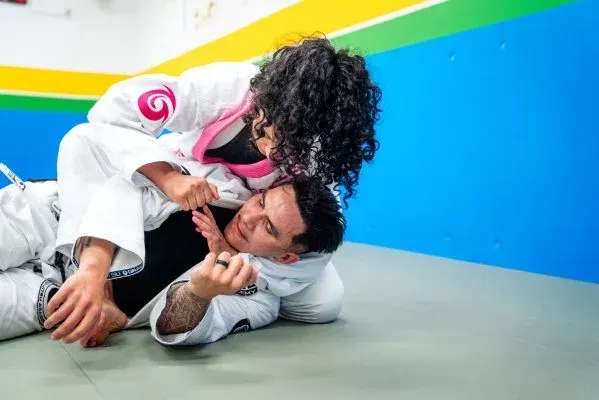
The Difference Between Sport Jiu-Jitsu and Self-Defense Jiu-Jitsu When most people hear the term "Brazilian Jiu-Jitsu," they often picture two athletes competing on mats, fighting for points, sweeps, and submissions. While that is certainly part of Jiu-Jitsu, it's only one side of the story. At Charles Gracie Jiu-Jitsu Magnolia , we often hear questions like: "Will this help me defend myself?" "Is Jiu-Jitsu just a sport?" "What's the difference between competition training and self-defense training?" The answer is that Brazilian Jiu-Jitsu has evolved into two closely related—but distinct—approaches: Sport Jiu-Jitsu Self-Defense Jiu-Jitsu Both have tremendous value, but understanding the difference can help you choose the right training environment for yourself or your child. What Is Sport Jiu-Jitsu? Sport Jiu-Jitsu focuses on competition under a specific ruleset. Organizations such as the International Brazilian Jiu-Jitsu Federation have developed rules that reward: Positional control Sweeps Guard passes Takedowns Submissions The goal is to outperform your opponent within the rules of the competition. You can learn more about competition rules here: 👉 https://ibjjf.com/books-videos Sport training often develops: Exceptional technical skill Physical conditioning Timing and strategy Mental toughness These are all valuable attributes, and many students enjoy testing themselves in competition. What Is Self-Defense Jiu-Jitsu? Self-defense Jiu-Jitsu focuses on protecting yourself in real-world situations. Instead of asking: "How do I score points?", students learn to ask: "How do I stay safe?" Self-defense training emphasizes: Situational awareness Distance management Escaping dangerous situations Controlling an aggressor Protecting yourself from strikes Safely disengaging when possible The philosophy is simple: The best fight is the one you can avoid. Many of the original Gracie family teachings were built around helping a smaller person defend themselves against a larger, stronger attacker. You can learn more about the history of Brazilian Jiu-Jitsu through the Smithsonian Magazine: 👉 https://www.smithsonianmag.com/arts-culture/the-gentle-way-45798869/ Why the Difference Matters Imagine two scenarios. Scenario 1: Competition You and your opponent begin on a padded mat. There is: a referee, a ruleset, a safe environment, no striking. The goal is to win within those rules. Scenario 2: Real Life An unexpected confrontation occurs in a parking lot. There are: no referees, no points, no guaranteed safety, potential strikes or multiple variables. The goal is no longer to win. The goal is to stay safe and get home. The strategies used in these situations may overlap, but they are not identical. Does Sport Jiu-Jitsu Still Help With Self-Defense? Absolutely. In fact, sport training develops many attributes that are highly valuable for self-defense, including: Balance Timing Body control Positional awareness The ability to remain calm under pressure Research has shown that grappling and martial arts training can improve self-confidence, emotional regulation, and stress management. Learn more through the National Institutes of Health: 👉 https://www.ncbi.nlm.nih.gov/pmc/articles/PMC3761807/ However, sport training alone may not address every aspect of a real-world encounter. That is why many academies—including Charles Gracie schools—continue to teach self-defense principles alongside modern Jiu-Jitsu. Why We Believe Both Matter At Charles Gracie Jiu-Jitsu Magnolia , we believe students benefit from understanding both perspectives. Sport Jiu-Jitsu teaches: Strategy Timing Competition skills Advanced technical development Self-defense Jiu-Jitsu teaches: Awareness Confidence Practical application Personal safety Together, they create a more complete martial artist. What This Means for Kids Parents often ask whether their child is learning "competition Jiu-Jitsu" or "self-defense." The answer is a bit of both. Our goal is not simply to teach children how to win medals. We want them to learn: Confidence Respect Problem-solving Emotional control Practical self-defense skills Research from the Centers for Disease Control and Prevention has consistently found that physical activity and structured extracurricular programs support positive youth development. 👉 https://www.cdc.gov/healthyschools/physicalactivity/facts.htm For many children, the greatest benefit isn't learning how to fight. It's learning how to carry themselves with confidence and make good decisions. What This Means for Adults Many adults start Jiu-Jitsu because they want: A practical self-defense skill A challenging workout Stress relief Personal growth The good news is that Brazilian Jiu-Jitsu can provide all of those benefits. Whether your goal is competition, fitness, self-defense, or personal development, training helps you become more capable, confident, and resilient. Finding the Right Balance The best Jiu-Jitsu academies don't force students to choose between sport and self-defense. Instead, they recognize that both approaches have value. At Charles Gracie Jiu-Jitsu Magnolia , we strive to preserve the self-defense roots of Brazilian Jiu-Jitsu while also embracing the technical growth and benefits that come from modern training methods. Because at the end of the day, Jiu-Jitsu is about more than winning matches. It's about becoming more confident, capable, and prepared for whatever life throws your way. Experience the Difference for Yourself If you're looking for Jiu-Jitsu in Magnolia, TX and want to learn more about our approach to training, we'd love to meet you. Whether you're interested in self-defense, fitness, competition, or simply trying something new, we offer a welcoming environment for beginners of all ages. 👉 Contact Charles Gracie Jiu-Jitsu Magnolia today to schedule your free trial week.
What Makes Charles Gracie Jiu-Jitsu Different from Other Gyms If you’ve been searching for Jiu-Jitsu in Magnolia, TX or martial arts near Montgomery County, you’ve probably noticed there are several options available. So how do you choose the right one? While many academies teach Brazilian Jiu-Jitsu, not all schools offer the same experience—especially when it comes to instruction quality, environment, and long-term student development. At Charles Gracie Jiu-Jitsu Magnolia , our approach is built around something deeper than just training. Here’s what truly sets us apart. A True Beginner-Friendly Approach One of the biggest differences families notice right away is how welcoming and beginner-focused our academy is. Starting Jiu-Jitsu can feel intimidating—but it shouldn’t be. At our Magnolia academy: Classes are structured specifically for beginners Techniques are broken down step-by-step Students are never thrown into situations they’re not ready for Our goal is simple: help every student feel comfortable from day one. A Strong Emphasis on Safety Safety isn’t just a priority— it’s part of everything we do . At Charles Gracie Jiu-Jitsu Magnolia, all classes are: Supervised by a professional black belt instructor Structured to ensure controlled, safe training Designed to build confidence without unnecessary risk We also maintain high facility standards, including: Clean; mats are disinfected daily; hands and feet are cleaned before stepping on the mats for everyone Clear expectations for hygiene and respect For parents, this peace of mind makes a huge difference. High-Level Instruction with Real Experience Not all instruction is created equal. Our academy is led by experienced instructors who have spent years not just training—but teaching students of all ages, especially beginners and kids. That means: Techniques are explained clearly Students actually understand what they’re learning Progress happens faster and more confidently We focus on teaching— not just demonstrating . A Family-Friendly, Positive Culture Culture is one of the most overlooked—but most important—factors when choosing a Jiu-Jitsu academy. At our Magnolia location, we’ve intentionally built a culture centered around: Respect Encouragement Camaraderie There’s no ego-driven environment here. Instead, you’ll find: Students helping each other improve Coaches who genuinely care A place where families feel comfortable This is especially important for kids, who thrive in positive, structured environments. Rooted in the Charles Gracie Jiu-Jitsu System Not all Jiu-Jitsu is taught the same way. At Charles Gracie Jiu-Jitsu Magnolia , students learn a system that emphasizes: Technique over strength Real-world self-defense Structured progression Students are part of a larger legacy connected to one of the most respected names in Brazilian Jiu-Jitsu. This connection ensures: Consistency in teaching methods Proven techniques A long-term path for growth Focus on Personal Development—Not Just Training Many gyms focus only on physical training. We go further. Our program is designed to help students develop: Confidence Discipline Focus Problem-solving skills Whether it’s a child learning to listen better in school or an adult building resilience, these benefits extend far beyond the mat. Serving the Magnolia and Montgomery County Community We’re proud to serve families throughout: Magnolia Tomball The Woodlands Montgomery Conroe Woodforest Northampton Our goal is to provide high-quality Jiu-Jitsu training close to home, so families don’t have to travel far to find the right environment. Not All Jiu-Jitsu Academies Are the Same Choosing the right academy isn’t just about location—it’s about finding a place where you or your child can grow safely, confidently, and consistently. When comparing options, it’s worth asking: Is the environment beginner-friendly? Are instructors experienced in teaching (not just training)? Is safety a clear priority? Does the culture feel supportive? At Charles Gracie Jiu-Jitsu Magnolia, we’ve built our academy around these principles from day one. Experience the Difference for Yourself The best way to understand what makes an academy different is to experience it firsthand. That’s why we offer a free trial week for new students. Whether you’re an adult looking to get started or a parent exploring options for your child, we invite you to come see what makes our academy unique. 👉 Contact us today to schedule your free trial week and experience Charles Gracie Jiu-Jitsu Magnolia for yourself.
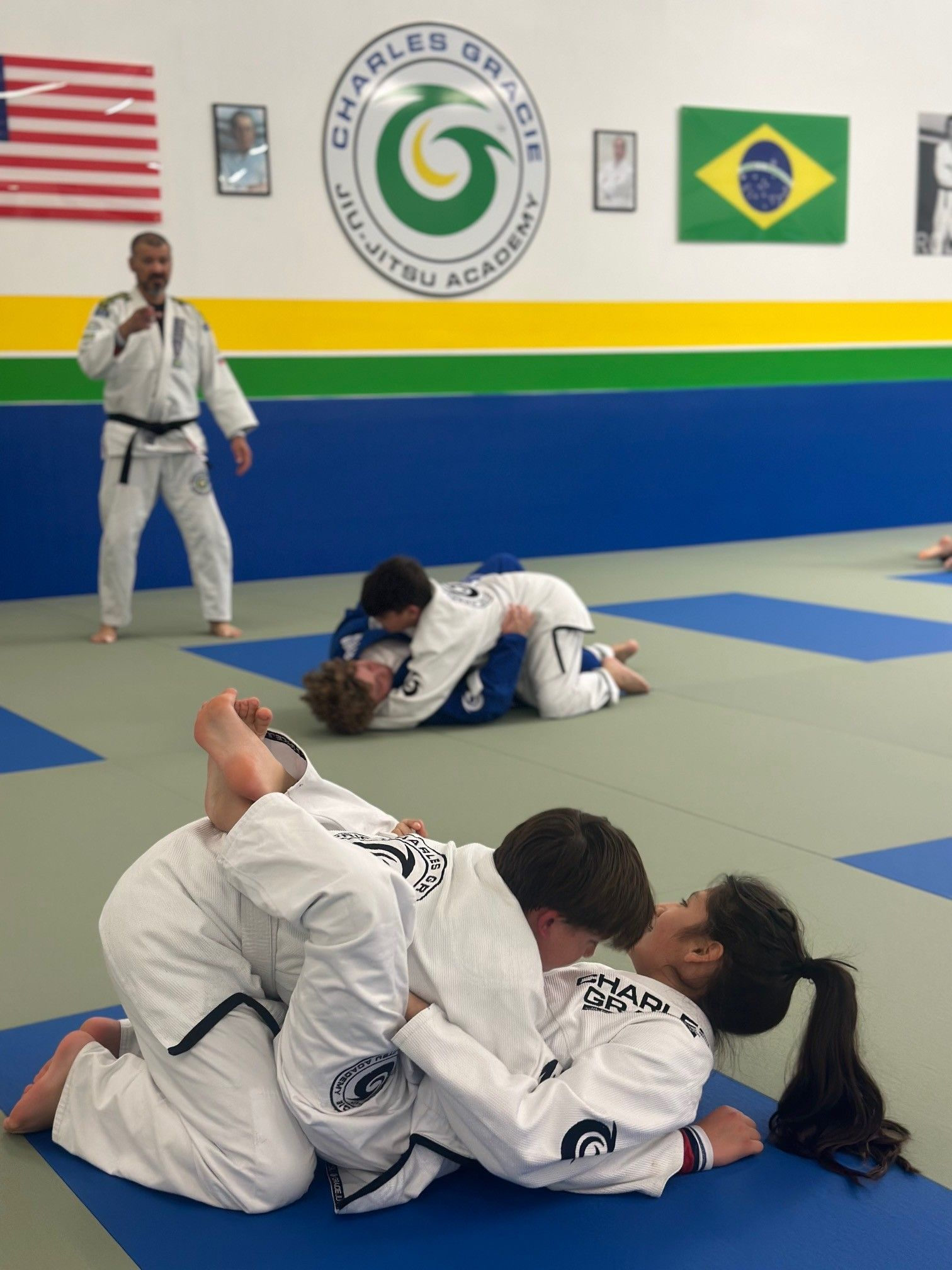
In a world that moves fast and rewards instant results, it’s becoming harder to find activities that truly build character . Brazilian Jiu-Jitsu is different. At Charles Gracie Jiu-Jitsu Magnolia , students don’t just learn techniques—they develop life skills that carry far beyond the mats. Among the most valuable are patience, humility, and problem-solving .And the best part? These benefits aren’t just anecdotal— they’re supported by research in child development, psychology, and physical activity. Why Jiu-Jitsu Is More Than Just a Martial Art Brazilian Jiu-Jitsu is often described as “human chess.” Every movement requires: Strategy Timing Adaptation This type of activity falls into what researchers call “cognitively engaging physical activity,” which has been shown to improve executive function (skills like decision-making and problem-solving). 👉 Learn more about how physical activity affects the brain: https://www.cdc.gov/physicalactivity/basics/pa-health/index.htm Because Jiu-Jitsu combines movement with thinking, it strengthens both the body and the brain at the same time. Learning Patience Through the Process - Progress Takes Time One of the first lessons in Jiu-Jitsu is that progress doesn’t happen overnight. Students must: Practice consistently Accept slow improvement Build skills over time This aligns with research on skill development and persistence , which shows that structured activities requiring repetition help children develop long-term focus and patience. 👉 Harvard’s Center on the Developing Child explains how these skills develop: https://developingchild.harvard.edu/resources/what-is-executive-function-and-how-does-it-relate-to-child-development/ Failure Becomes Part of Growth In Jiu-Jitsu, students regularly: Make mistakes Get stuck in difficult positions Try again and improve This process builds resilience. Research on youth development shows that environments where children can safely experience failure help improve: Emotional control Persistence Self-discipline 👉 Overview of how challenges build resilience in kids: https://developingchild.harvard.edu/science/key-concepts/resilience/ Developing Humility Through Training - Everyone Starts as a Beginner No matter who you are, everyone begins Jiu-Jitsu at the same level. This creates an environment where: Ego doesn’t help Learning is constant Respect is earned Studies on martial arts participation have shown improvements in: Social behavior Respect for others Self-regulation 👉 Example research on martial arts and youth development: https://www.sciencedirect.com/science/article/abs/pii/S0193397311001401 Losing Becomes a Teacher In Jiu-Jitsu, losing is part of learning. Students are constantly exposed to situations where: Techniques don’t work Partners succeed Adjustments are needed This builds humility and openness to growth. Research shows that martial arts training can improve self-control and prosocial behavior in children , which are key components of humility. 👉 NIH-supported research summary: https://www.ncbi.nlm.nih.gov/pmc/articles/PMC9406432/ Building Real Problem-Solving Skills - Every Class Is a Mental Challenge Jiu-Jitsu requires constant decision-making: “What’s my next move?” “How do I escape?” “What adjustment should I make?” This strengthens executive function , which includes: Planning Problem-solving Adaptability 👉 Learn more about executive function and learning: https://developingchild.harvard.edu/resources/inbrief-executive-function-skills-for-life-and-learning/ Thinking Under Pressure Students also learn how to stay calm and think clearly under pressure. This ability is critical in: School settings Social situations Stressful environments Research shows that physical activities requiring strategy and control can improve emotional regulation and stress response . 👉 More on how physical activity supports mental health: https://www.cdc.gov/physicalactivity/basics/pa-health/index.htm Why These Skills Matter for Kids (and Adults) Research shows that martial arts training can help children develop: Better focus Improved behavior Greater emotional control 👉 CDC overview on physical activity and academic performance: https://www.cdc.gov/healthyschools/physicalactivity/facts.htm These benefits often translate into: Better classroom performance Improved social skills Increased confidence Adults experience similar benefits, including: Reduced stress Improved decision-making Greater resilience Jiu-Jitsu becomes not just a workout—but a way to build mental clarity and composure. A Culture That Reinforces Growth At Charles Gracie Jiu-Jitsu Magnolia , we emphasize: Respect over ego Effort over perfection Learning over winning This environment is what allows patience, humility, and problem-solving to develop naturally. The Long-Term Impact The lessons learned in Jiu-Jitsu extend far beyond the mat. Students who train consistently often carry these skills into: School and academics Careers and leadership roles Relationships and personal growth And unlike short-term activities, these benefits build over time and stay with you. Start Training in Magnolia, TX If you’re looking for an activity that builds more than just physical fitness—something that develops real-life skills backed by research —Brazilian Jiu-Jitsu is one of the best choices available. At Charles Gracie Jiu-Jitsu Magnolia , we welcome beginners of all ages. 👉 Contact us today to schedule your free trial week and experience it for yourself.
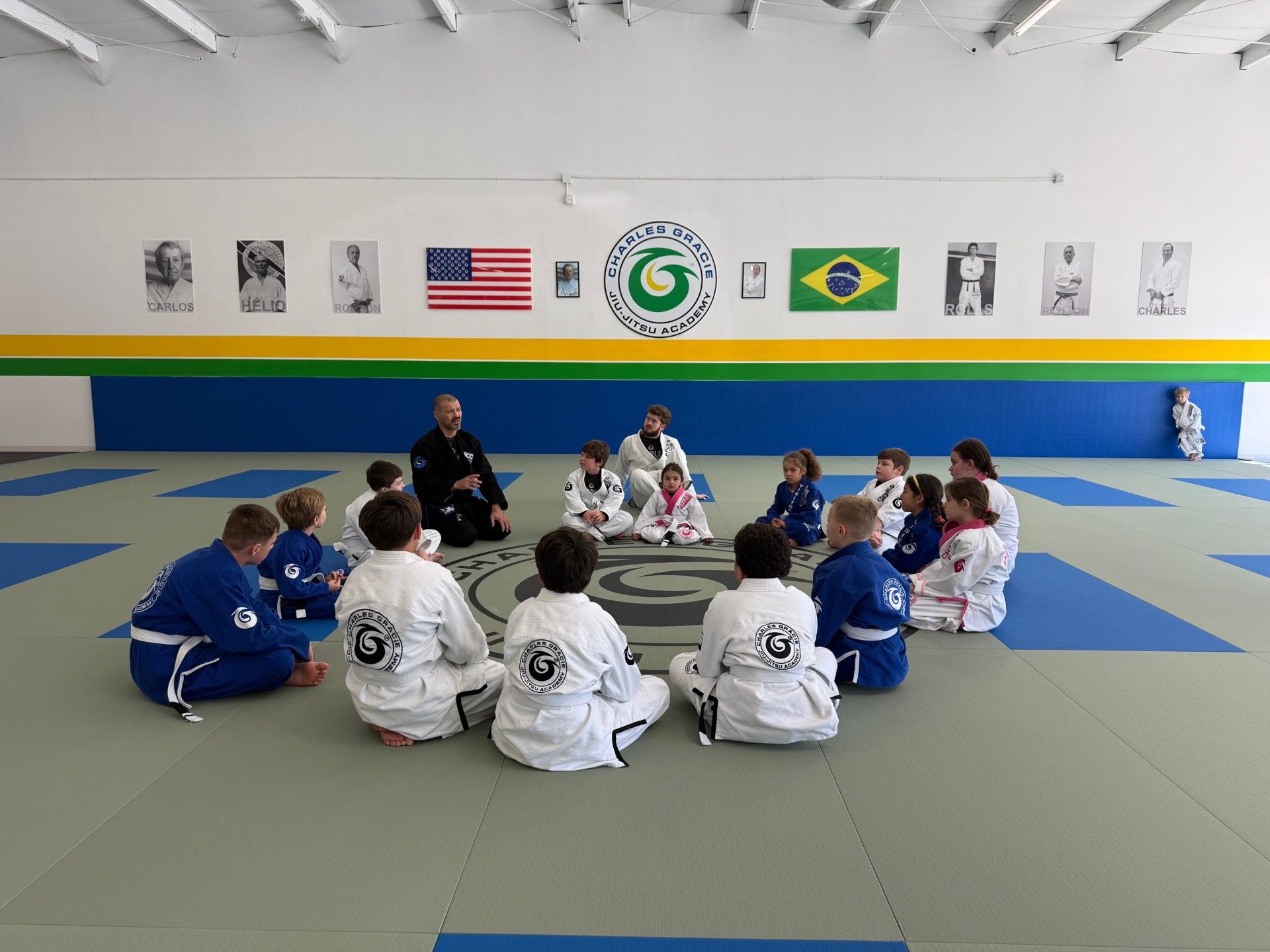
As parents, we all want to see our children succeed—not just in sports, but in the classroom and everyday life. If your child struggles with focus, listening, confidence, or behavior at school , you’re not alone. Many families are turning to Gracie Jiu-Jitsu as a powerful tool to help their kids grow both mentally and emotionally. At Charles Gracie Jiu-Jitsu Magnolia , we’ve seen firsthand how consistent training can positively impact a child’s behavior, attention, and confidence—both on and off the mats. What’s even more encouraging? Research supports it. Why Focus and Behavior Challenges Are So Common Today Modern children face more distractions than ever before. According to the American Academy of Pediatrics, increased screen time and reduced physical activity can negatively impact attention, sleep, and behavior in children. You can learn more here: 👉 https://publications.aap.org/pediatrics/article/138/5/e20162591/60322/Media-and-Young-Minds At the same time, schools are placing greater demands on: Sustained focus Emotional regulation Classroom discipline This creates a massive gap—one that structured activities like martial arts can help fill. How GRACIE Jiu-Jitsu Improves Focus Structured Learning Environment Every Jiu-Jitsu class follows a clear structure: a warm-up, followed by technique instruction, and then practice and repetition. Because Jiu-Jitsu combines movement with problem-solving, it reinforces focus in a way traditional classroom settings often cannot. Studies from the Centers for Disease Control and Prevention show that physical activity is linked to: improved concentration, better memory , and enhanced classroom behavior . Learn more here: 👉 https://www.cdc.gov/healthyschools/physicalactivity/facts.htm Learning Through Repetition and Attention to Detail Jiu-Jitsu techniques require children to listen carefully, follow multi-step instructions, adjust based on feedback. Research in child development shows that repetitive, skill-based learning improves executive function and attention span. A helpful overview: 👉 https://developingchild.harvard.edu/resources/what-is-executive-function-and-how-does-it-relate-to-child-development/ How Jiu-Jitsu Improves Behavior Discipline Without Harshness At Charles Gracie Jiu-Jitsu Magnolia , discipline is taught through consistency, clear expectations, and positive reinforcement. Research on martial arts training has shown improvements in behavior, self-control, and social development in children. Example study: 👉 https://www.sciencedirect.com/science/article/abs/pii/S0193397311001401 Emotional Control and Self-Regulation According to the National Institutes of Health, physical activities that combine movement and strategy can help improve: e motional regulation, stress management and, impulse control . You can explore more here: 👉 https://www.ncbi.nlm.nih.gov/pmc/articles/PMC3761807/ In Jiu-Jitsu, kids are constantly practicing how to: Stay calm under pressure Think before reacting Solve problems in real time Building Confidence That Shows Up at School Confidence plays a major role in academic success and behavior. A study published in the Journal of Sports Science & Medicine found that martial arts training is associated with: Increased self-esteem and reduced anxiety in children. Read more about that study here: 👉 https://www.jssm.org/vol5/n2/4/v5n2-4pdf.pdf As confidence grows, many kids: Participate more in class Take initiative Interact more positively with peers Physical Activity That Supports Mental Growth The Centers for Disease Control and Prevention recommends regular physical activity for children because it supports: Brain health, Academic performance , and Emotional well-being . More details on that study can be found here: 👉 https://www.cdc.gov/physicalactivity/basics/children/index.htm Gracie Jiu-Jitsu stands out because it combines: Physical movement Mental strategy Social interaction A Positive Environment Makes All the Difference Programs that emphasize, respect, structure and positive coaching are far more likely to produce lasting improvements in behavior. At Charles Gracie Jiu-Jitsu Magnolia , we prioritize: A supportive and encouraging atmosphere Personal attention for each student Teaching life skills alongside technique What Parents in Magnolia Are Noticing Our parents often tell us they're seeing: Better listening at home and school Increased confidence Improved emotional control Greater focus during homework and class While every child is different, the combination of structure, discipline, and physical activity can have a meaningful impact over time. Give Your Child the Tools to Succeed If your child is struggling with focus, behavior, or confidence, Jiu-Jitsu offers more than just exercise—it provides a structured environment for growth. And now, it’s not just anecdotal— it’s supported by research. Try gracie Jiu-Jitsu in the woodlands, conroe, tomball, creekside, woodforest, northgrove, and Magnolia, TX At Charles Gracie Jiu-Jitsu Magnolia , we offer a free trial week so your child can experience training in a safe, welcoming environment. There’s no pressure—just an opportunity to see the benefits for yourself. 👉 Contact us today to schedule your child’s free trial week.