
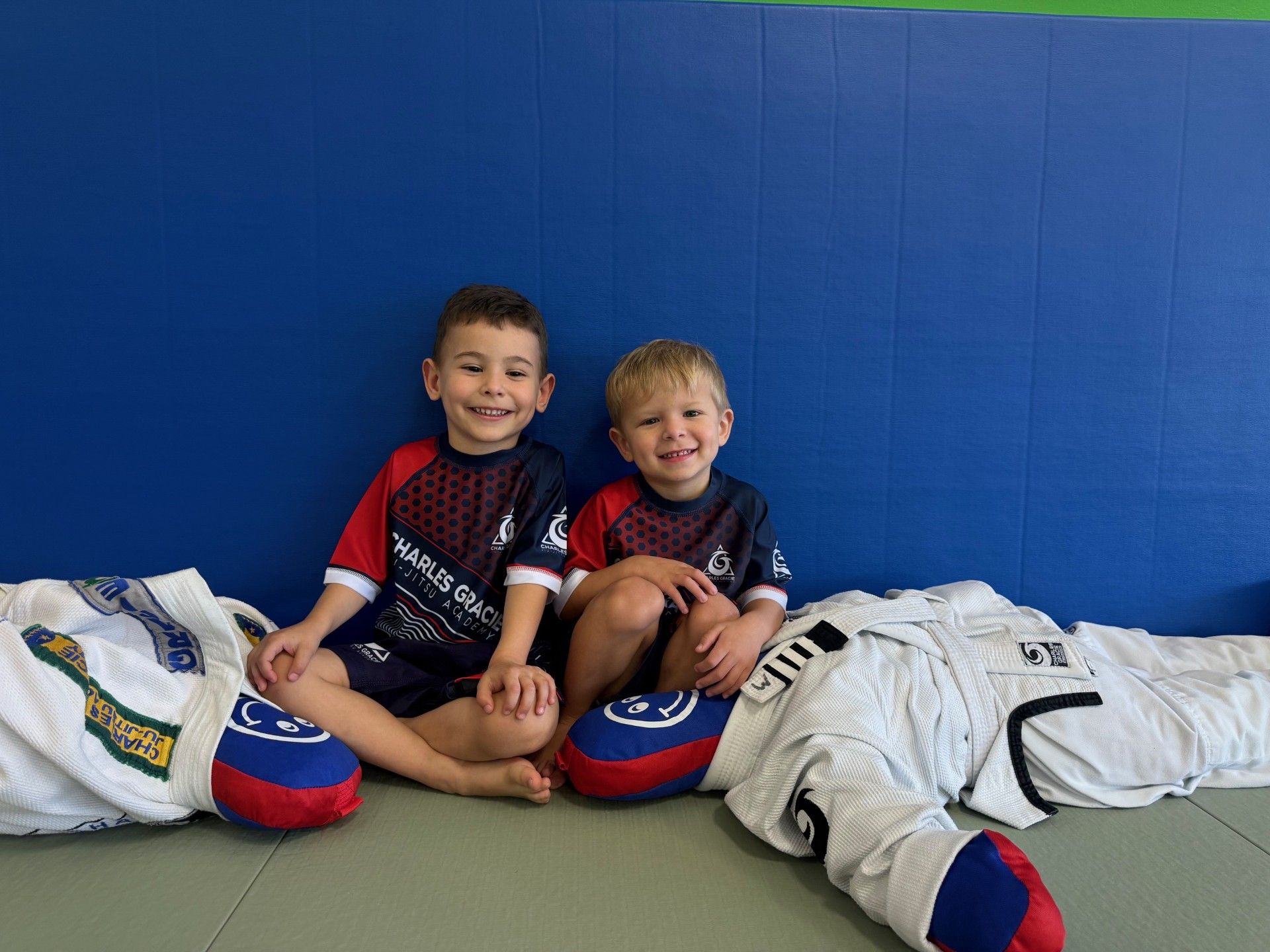
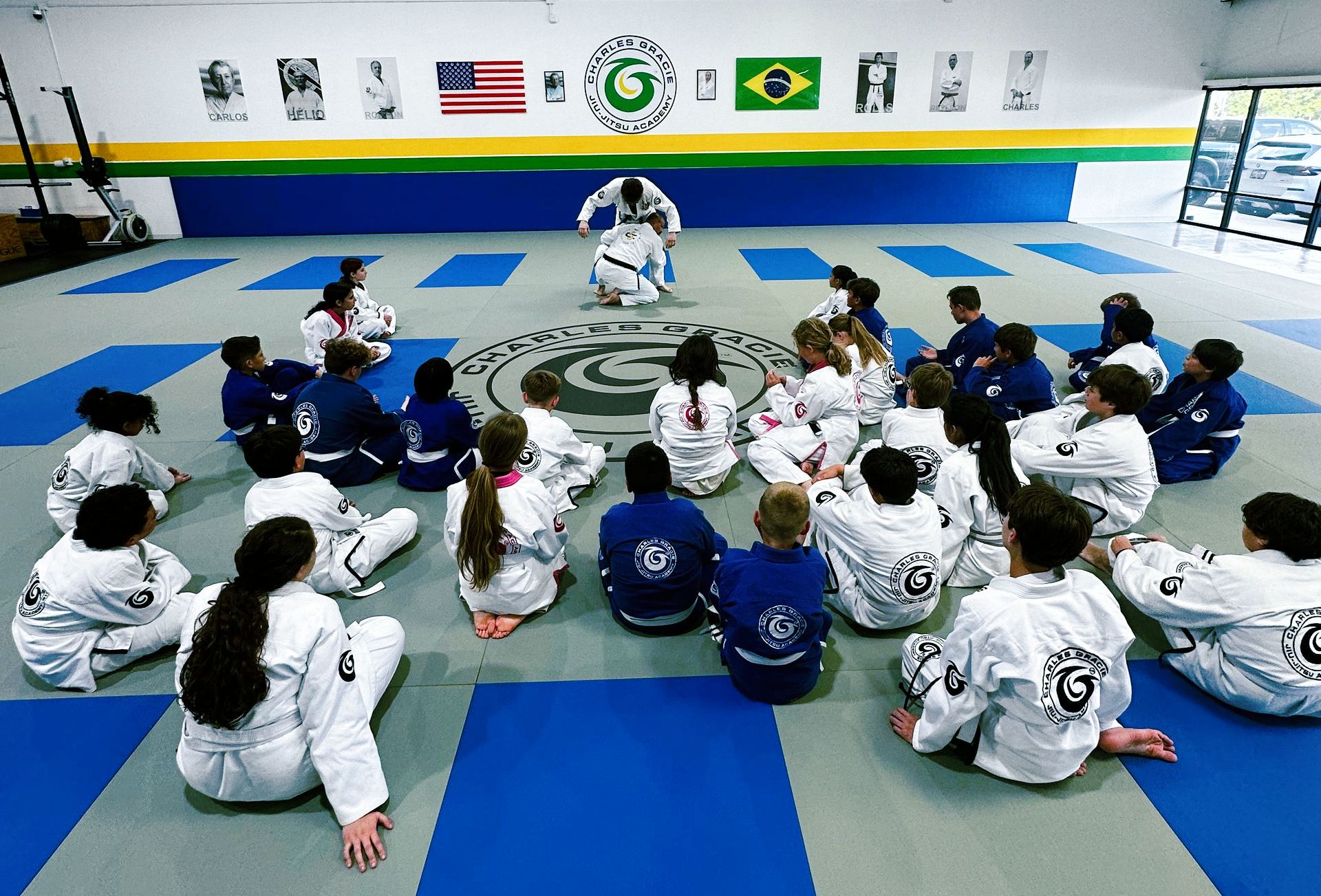
One of the most common questions parents ask when considering Brazilian Jiu-Jitsu for their children is surprisingly simple: “Is my child old enough to start?” Sometimes the question comes from parents of energetic 4-year-olds who want to introduce their children to a structured activity. Other times, it comes from parents of 10- or 12-year-olds who worry their children are already behind. The answer? There isn't one perfect age to start Brazilian Jiu-Jitsu. At Charles Gracie Jiu-Jitsu Magnolia, we welcome children beginning at age four. But age is only part of the equation. A child's developmental readiness, personality, interests, and comfort level all play important roles. And sometimes, the best way to find out whether your child is ready is simply to give them an opportunity to try. What Does Research Say About the Best Age to Start Sports? According to the American Academy of Pediatrics (AAP), readiness for organized sports depends on a child's physical, cognitive, and social development—not simply their birthday. The AAP explains that most children develop the foundational skills for simple organized sports around age six. Younger children generally benefit most from play-based activities emphasizing movement, exploration, and basic skill development. Importantly, this doesn't mean children under six cannot participate in martial arts. It means instruction should be adapted to their developmental abilities, with realistic expectations and an emphasis on enjoyment rather than competition. Research: American Academy of Pediatrics — Is Your Child Ready for Sports? At our Magnolia academy, this philosophy shapes how we approach each age group. Ages 4–6: Building the Foundation For our youngest students, Jiu-Jitsu isn't about mastering complicated submissions or becoming a competitive athlete. It's about learning how to learn. At this age, children are still developing fundamental skills such as balance, coordination, listening, and following directions. Our introductory classes emphasize: Basic movements and body awareness Listening and responding to instructions Taking turns and respecting classmates Learning through repetition and age-appropriate activities Becoming comfortable in a structured group environment For some children, the physical movements come naturally. For others, learning to stay with the group or follow a short sequence of instructions is an accomplishment in itself. And that's okay. Research from Harvard University's Center on the Developing Child explains that young children develop important executive function skills—including attention, working memory, and self-control—through age-appropriate activities and repeated practice. Research: Harvard Center on the Developing Child — Activities Guide: Enhancing and Practicing Executive Function Skills Our goal is to create opportunities for children to practice these foundational skills while introducing them to Brazilian Jiu-Jitsu. Ages 7–9: Developing Skills, Confidence, and Independence Between ages seven and nine, many children become increasingly capable of following multi-step instructions, understanding rules, and participating in more structured physical activities. This is a wonderful age to introduce Brazilian Jiu-Jitsu—or to build upon the foundation a child has already established. Students in this age group begin working on: More detailed Jiu-Jitsu techniques Coordination and controlled movement Remembering and applying instructions Working cooperatively with training partners Understanding effort, patience, and personal responsibility One of the unique aspects of Jiu-Jitsu is that students aren't simply repeating movements without purpose. They're learning how techniques work, why certain movements matter, and how to respond when something doesn't go according to plan. Of course, progress looks different for every child. Some students quickly become comfortable with new techniques, while others need additional repetition and encouragement. We emphasize learning and improvement—not comparing children to one another. Ages 10–15: It's Absolutely Not Too Late to Start We occasionally hear parents express concern that their older child has missed the opportunity to begin martial arts. Maybe their child has never participated in organized sports. Maybe they've tried several activities without finding one they enjoy. Or perhaps they're simply looking for something new. Here's something we want parents to understand: A 10-, 12-, or 15-year-old beginner is still a beginner—and that's perfectly normal. Older children and teenagers often bring advantages of their own, including greater body awareness, improved ability to understand detailed instruction, and more developed problem-solving skills. In our older youth classes, students have opportunities to explore: More advanced technical concepts Strategy and decision-making Controlled partner training Personal accountability Goal-setting and consistent improvement Competition opportunities, when appropriate and desired Not every student wants to compete, and competition isn't a requirement for meaningful progress. Some children simply want to become more active, develop a new skill, or find a community where they feel comfortable. Those are all worthwhile reasons to begin. What If My Child Is Shy or Nervous? This is where we believe parents deserve an especially thoughtful answer. Not every child walks into a new activity excited and ready to participate. Some children cling to their parents. Others hesitate to put on a uniform. Some are perfectly happy watching class but become overwhelmed when invited onto the mats. We've seen these reactions, and we understand that starting something unfamiliar can be intimidating. Being shy doesn't automatically mean a child isn't ready for Jiu-Jitsu. But it also doesn't mean every child will immediately feel comfortable participating. At Charles Gracie Jiu-Jitsu Magnolia, we encourage families to take advantage of our 5-day free trial before committing to a membership. The trial gives children an opportunity to experience the environment, meet the instructors, observe the class structure, and begin becoming familiar with the academy. It also gives parents an opportunity to see how their child responds. Sometimes Progress Starts Before the First Technique If a child remains hesitant after the trial but the family is interested in continuing, we have an honest conversation about expectations. Progress may be slow at first. For one child, success might mean walking into the academy without becoming upset. For another, it might mean putting on their gi independently. And for another, it might mean participating in just part of the class before gradually becoming more comfortable. We are happy to meet children where they are and work with them, provided we can maintain a safe, supportive learning environment for everyone. We don't promise that every child will adjust within a particular number of classes. Instead, we work with parents to recognize meaningful progress and determine whether the program continues to be a good fit. For families navigating this experience, we've also written about helping shy children build confidence through Jiu-Jitsu and what to do when your child cries before Jiu-Jitsu class . How Can Parents Tell Whether Their Child Is Ready? Rather than focusing exclusively on age, consider a few practical questions. Does your child show curiosity about the activity? They don't need to be immediately enthusiastic, but some interest or willingness to explore is helpful. Can they participate safely with other children? A child doesn't need perfect listening skills, but they should be developing the ability to respond to basic safety instructions with appropriate support. How do they respond to new environments? Some children adjust quickly. Others need additional time, familiarity, and encouragement. Are your expectations appropriate for their age? A four-year-old and a twelve-year-old shouldn't be expected to learn or participate in exactly the same way. Does the academy offer an opportunity to try before committing? Watching your child participate—or gradually become comfortable—is often more informative than guessing based on age alone. The American Academy of Pediatrics emphasizes that children's interests, developmental abilities, and enjoyment should guide decisions about organized sports. Research: AAP — Organized Sports for Children, Preadolescents, and Adolescents Why the Right Environment Matters More Than the Perfect Starting Age At Charles Gracie Jiu-Jitsu Magnolia, we believe the quality of instruction and the training environment matter just as much as the age at which a child begins. Our children's programs are organized into age-appropriate groups for ages 4–6, 7–9, and 10–15 , allowing us to adapt instruction to different stages of development. We emphasize technical fundamentals, clear expectations, positive reinforcement, and respect for training partners. Most importantly, we recognize that every student arrives with different experiences, abilities, and levels of confidence. Our job as instructors isn't to expect every child to progress at the same speed. It's to provide thoughtful instruction, realistic expectations, and opportunities for each student to grow. So, What Is the Best Age to Start Brazilian Jiu-Jitsu? For some children, four or five is a wonderful time to begin exploring movement, structure, and basic Jiu-Jitsu concepts. For others, seven, nine, or twelve may be a better starting point. And for children who need a little extra time to become comfortable, that doesn't necessarily mean the opportunity has passed. The best age to start is when your child is interested, developmentally ready for the activities being offered, and able to participate safely in a supportive environment. If you're considering Brazilian Jiu-Jitsu for your child, you don't have to make that decision based on age alone. Come See Whether Jiu-Jitsu Is the Right Fit At Charles Gracie Jiu-Jitsu Magnolia, we welcome families from Magnolia, The Woodlands, Conroe, and surrounding Montgomery County communities. Our 5-day free trial allows your child to experience our classes before you make a commitment. Whether your child is excited to jump right in or needs a little extra encouragement, we're happy to help you explore whether our academy is the right environment for them. Schedule your child's free 5-day trial and discover what their Jiu-Jitsu journey could look like. Research and Further Reading American Academy of Pediatrics. Is Your Child Ready for Sports? American Academy of Pediatrics. Organized Sports for Children, Preadolescents, and Adolescents (Pediatrics, 2019; reaffirmed 2023). Center on the Developing Child at Harvard University. Activities Guide: Enhancing and Practicing Executive Function Skills .
Soccer. Baseball. Basketball. Football. Team sports can be incredible experiences for children. They offer exercise, friendships, teamwork, competition, and a sense of belonging. Research supports many of those benefits, too. But what happens when your child just doesn't seem to enjoy them? Maybe they dread going to practice. Maybe they're uncomfortable competing for playing time. Maybe they're hesitant in a big group, frustrated when they can't keep up, or simply haven't found a sport that makes them excited to participate. It doesn't necessarily mean your child "isn't athletic." Maybe they just haven't found their sport yet. For some children, Brazilian Jiu-Jitsu offers a very different way to experience athletics—and that difference can matter. First: Team Sports Are Great for Kids This isn't a Jiu-Jitsu-versus-soccer argument. In fact, research consistently supports the value of organized sports for children and adolescents. A large 2026 systematic review examining 189 studies found that youth sport participation was associated with positive psychological and social outcomes, including higher self-esteem, stronger feelings of belonging, improved interpersonal skills, and greater life satisfaction.[1] Interestingly, the researchers found that team sports tended to demonstrate stronger and more consistent benefits than individual sports, particularly when it came to social development. So, we're certainly not here to tell parents to pull their kids off the soccer field. But we also know something from years of coaching children: Not every child thrives in the same environment. A nd that's okay. Some Kids Need a Different Kind of Sport Traditional team sports often require children to navigate several things at once. They're learning the sport itself, figuring out their position, keeping track of teammates and opponents, competing for playing time, responding quickly to a constantly changing environment, and sometimes feeling the pressure of knowing that their performance affects the entire team. Some children absolutely love that. Others don't. Jiu-Jitsu provides a different experience. While students train together and absolutely become part of a team, much of their progress is individual. Your child doesn't have to score the winning goal. They don't have to be the fastest kid on the field. They don't have to worry about being picked last. They don't have to sit on the bench because another student is more advanced. Their progress belongs to them. In Jiu-Jitsu, Success Can Look Different for Every Child One of our favorite things about teaching children is realizing just how different their victories can be. For one student, success might be learning a difficult technique. For another, it might be remembering the steps without help. For another, it's finally volunteering to demonstrate in front of the class. And sometimes? Success is simply putting on the uniform and walking onto the mat. At Charles Gracie Jiu-Jitsu Magnolia, we've worked with children who couldn't bring themselves to participate during their first class. We've had children who needed time just to become comfortable wearing the gi. We've had students who stood at the edge of the mat watching before they were ready to join the group. We don't expect every child to walk through our doors bursting with confidence. We meet them where they are, encourage them to take the next reasonable step, and give them the time and support to become comfortable while still maintaining the structure and expectations of the class. Eventually, "I'll just watch" can become "I'll try." And sometimes "I'll try" becomes "I did it." Those moments matter. Individual Progress—Without Being Alone This is where Jiu-Jitsu occupies an interesting space. It has many characteristics of an individual sport: your child develops their own skills, progresses at their own pace, and ultimately has to solve the problem in front of them. But they can't learn Jiu-Jitsu alone. They need training partners. Students drill together. They solve problems together. They learn how to communicate with partners of different ages, sizes, personalities, and skill levels. More experienced students help beginners. Partners shake hands before and after training. And everyone in the room understands what it feels like to struggle with something before finally figuring it out. That combination— individual progress within a social environment —can be a wonderful fit for certain kids. Research into youth sports suggests that social support, peer belonging, and positive self-perception may be important pathways through which sports support children's psychological well-being.[1] Jiu-Jitsu gives children an opportunity to experience those things without requiring their individual progress to look exactly like everyone else's. What Does the Research Say About Martial Arts? Research specifically examining martial arts in children and adolescents is encouraging, although it's important not to overstate what we know. A systematic review of youth participation in martial arts and combat sports reported positive findings related to self-confidence, self-esteem, resilience, and emotional regulation.[2] The researchers also found something we think is particularly important: Outcomes can depend on how the program is taught. Instructor relationships, program philosophy, teaching methods, and the overall training environment can influence the experience children have in martial arts. That makes sense to us. Simply enrolling a child in "martial arts" isn't magic. The culture surrounding that child matters. The way instructors respond to mistakes matters. The way classmates treat one another matters. Whether a child feels safe asking for help matters. And whether coaches understand the difference between encouraging a hesitant child and overwhelming one matters. Physical Activity Matters—But Finding Something They Enjoy Matters Too There's another reason not to give up when your child doesn't connect with the first sport you try: children need opportunities to move. Organized sports are one way to provide that opportunity, and research reviews have found positive associations between sports participation and children's psychological and social health.[1][3] But a sport can't provide much benefit if a child refuses to participate in it. That's why finding the right fit matters. Some kids love running across a soccer field. Some love standing at home plate. Some love swimming laps. And some discover that they'd rather spend an hour on a mat trying to figure out how to escape side control. There's room for all of them. "Not a Sports Kid" Might Not Be the End of the Story We sometimes hear parents describe their child as "just not a sports kid." And sometimes that's true. Not every child is going to fall in love with athletics. But sometimes a child who dislikes one type of sports environment surprises everyone when they're introduced to another. We've seen kids who were hesitant about physical activity become fascinated by the problem-solving aspect of Jiu-Jitsu. We've seen children who weren't comfortable performing in front of a crowd become completely focused when working one-on-one with a training partner. We've watched children who initially weren't sure they even wanted to step onto the mat begin walking through the academy doors ready to train. That doesn't happen for every child, and it certainly doesn't happen overnight. But it happens often enough that we believe it's worth giving kids the opportunity to discover what kind of movement and challenge speaks to them. Jiu-Jitsu Is Physical—But It's Also a Puzzle One reason some children connect with Jiu-Jitsu is that athletic ability isn't the only thing being challenged. Brazilian Jiu-Jitsu is deeply technical. Students learn how body position, leverage, timing, balance, and movement can help them solve the problem their partner presents. What happens if my partner moves this way? Where should my arm go? Why didn't that technique work? What could I do differently next time? For a child who enjoys figuring things out, that can make exercise feel less like "working out" and more like solving a moving puzzle. And when they finally solve one? They know they earned it. The Goal Isn't to Find the "Best" Sport The goal is to help your child find an activity where they can move their body, learn, struggle safely, connect with other people, and experience the satisfaction of getting better at something. For some children, that's a traditional team sport. For others, it might be dance, swimming, gymnastics, running—or Jiu-Jitsu. What matters is finding an environment where your child has an opportunity to grow. So if soccer didn't work out, don't assume your child isn't athletic. If baseball wasn't their thing, don't assume they don't like sports. And if they've tried several activities without finding one that clicks, don't give up on them. They may simply not have found their sport yet. Could Jiu-Jitsu Be Their Sport? At Charles Gracie Jiu-Jitsu Magnolia, we welcome beginners—including the nervous ones, the quiet ones, the kids who don't think they're athletic, and the ones who aren't quite sure they want to walk onto the mat yet. We'll encourage them. We'll challenge them. We'll be patient when they need patience and give them a gentle push when we know they're ready for the next step. Most importantly, we'll give them an opportunity to discover what they're capable of. Because sometimes finding the right sport changes the way a child thinks about being "athletic." And sometimes it starts with something as simple as taking that first step onto the mat. References [1] Eather N, et al. The impact of sports participation on psychological health and social outcomes in children and adolescents: a systematic review and update to the "Mental Health through Sport" conceptual model. Systematic Reviews. 2026. [2] Putra, et al. Psychological outcomes of martial arts and combat sports participation in youth: a systematic review. Journal of Educational and Learning Studies. [3] Eime RM, et al. A systematic review of the psychological and social benefits of participation in sport for children and adolescents: informing development of a conceptual model of health through sport. International Journal of Behavioral Nutrition and Physical Activity. 2013.
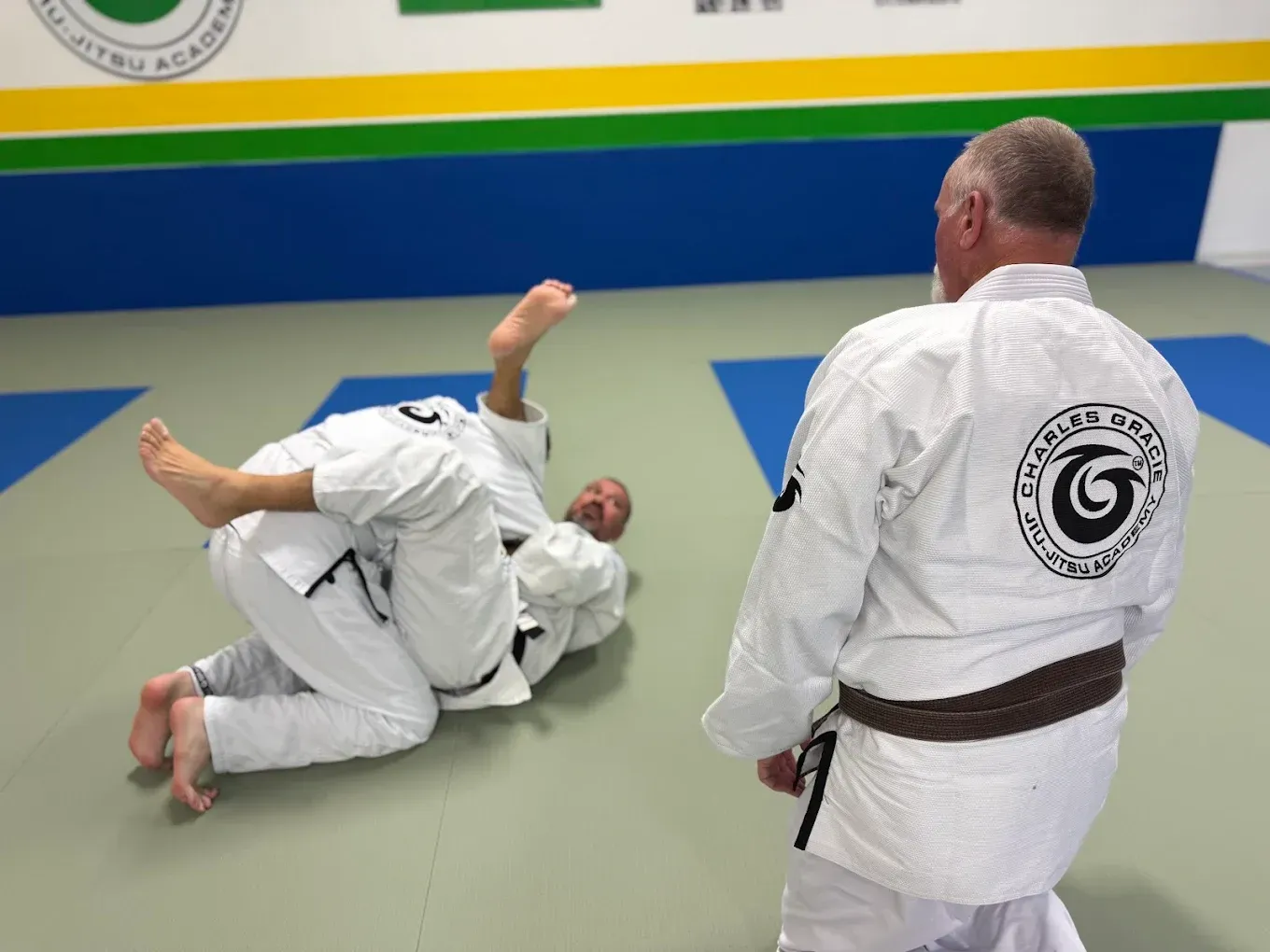
If you've ever thought about trying jiu-jitsu but told yourself: "I need to get in shape first." You're not alone. Maybe it's been years since you've exercised consistently. Maybe you'd like to lose some weight. Maybe your cardio isn't what it used to be. Or maybe the idea of walking into a martial arts academy where you assume everyone else is already fit, strong, and experienced feels a little intimidating. So you make yourself a deal: I'll start once I lose 10 or 20 pounds. I'll start after I get back into the gym. I'll start when my cardio is better. Here's the problem: You're trying to get ready for the very thing that can help you get ready. You don't have to get in shape before starting jiu-jitsu. You just have to start. Beginners Are Supposed to Be Beginners One of the strangest expectations we place on ourselves as adults is believing we should somehow already be good at something we've never done. We don't expect that from our kids. When a child starts a new sport, we expect them to need instruction. We expect them to get tired. We expect them to make mistakes. We tell them: "Give it time." "You're still learning." "Nobody is good at something the first time they try it." And then it's our turn to try something new, and suddenly those rules disappear. Adults walk into their first jiu-jitsu class worried that they're too old, too heavy, too weak, too inflexible, or too out of shape. But that's exactly what a beginner is supposed to be: Wherever they are today. You aren't expected to arrive ready for jiu-jitsu. Training is what gets you there. Jiu-Jitsu Really Is a Workout We don't need exaggerated fitness claims to make this point. There's actual research behind it. Brazilian Jiu-Jitsu is an intermittent sport, meaning periods of higher, moderate, and lower intensity occur throughout training and sparring. A systematic review examining 58 studies involving 1,496 participants looked at major physical components involved in BJJ, including aerobic and anaerobic fitness, muscular strength, power, body composition, and muscular endurance. Researchers also noted the particular importance of strength endurance because grappling requires athletes to repeatedly maintain muscular effort during training and competition. In everyday terms? You're moving. You're pushing. You're pulling. You're gripping. You're stabilizing. You're getting up and down from the floor. You're using your core. And you're doing all of that while trying to solve the physical puzzle happening in front of you. It doesn't feel much like spending 45 minutes staring at the timer on a treadmill. And you certainly don't need an athlete's conditioning to begin developing those abilities. What About Weight Loss? This is worth talking about honestly because losing weight is one of the reasons many adults decide they want to become more active. Can jiu-jitsu be part of a weight-loss journey? Absolutely. But no exercise program—including jiu-jitsu—is a magic weight-loss solution. The CDC explains that physical activity increases the amount of energy your body uses, while weight loss ultimately occurs when that contributes to a calorie deficit. Nutrition therefore matters too, and the amount of physical activity needed for weight management varies considerably from person to person. That's why we'd rather tell you the truth than promise that jiu-jitsu will make a certain number disappear from the scale. What regular physical activity can do is much bigger than that. The CDC reports that physical activity can improve sleep, reduce feelings of anxiety, strengthen bones and muscles, and lower the long-term risk of conditions including heart disease, stroke, and type 2 diabetes. That's a pretty compelling reason to move your body—regardless of what the scale says. "But I Know I'm Going to Get Tired." You probably will. That's okay. You may need breaks during your first classes. That's okay too. Your first goal isn't to keep up with someone who has been training for five years. Your first goal is simply to begin. Then come back. And come back again. Federal physical-activity guidance recommends that adults work toward at least 150 minutes of moderate-intensity aerobic activity each week , along with muscle-strengthening activity on at least two days. But importantly, the CDC also emphasizes that adults who are inactive can build toward those goals—and even some moderate-to-vigorous physical activity provides health benefits. You don't have to transform your fitness overnight. You build it. One class at a time. You May Be Surprised by What Changes One of the great things about starting jiu-jitsu is that progress isn't always measured by a scale or a stopwatch. Sometimes you notice it when climbing the stairs doesn't leave you as winded. Or when you make it through another round before needing a break. Maybe you realize you're moving more easily. You're stronger than you were. You're sleeping better. Or something that felt impossible during your first week suddenly feels...normal. Those little changes add up. And because jiu-jitsu is also something you're learning , the motivation can feel very different from exercising simply because you think you're supposed to exercise. You're not just working out. You're learning a skill. The Hardest Part May Be Walking Through the Door For many adults, physical fitness isn't actually the biggest obstacle. It's being a beginner again. It takes a little courage to walk into an unfamiliar room, put on a gi, and admit that you don't know what you're doing. We understand that. At Charles Gracie Academy Magnolia, we aren't looking for people who are already great at jiu-jitsu. That's our job. We want people who are willing to learn. Our adult classes are designed to be welcoming to beginners, and our instructors will help you learn at an appropriate pace. You don't need previous martial arts experience. You don't need to be an athlete. And you certainly don't need six-pack abs. You just need to be willing to take that first step. Stop Waiting Until You're "Ready" If you've been telling yourself you'll start when you're fitter, stronger, thinner, or more confident, consider this: Maybe those aren't prerequisites for starting. Maybe they're part of the journey. We give our children permission to be beginners all the time. Maybe it's time we gave ourselves the same permission. You don't get in shape so you can start jiu-jitsu. You start jiu-jitsu—and getting stronger, healthier, and more capable can become part of the journey. Maybe This Is Your Sign to Start If you've been thinking about trying Gracie Jiu-Jitsu, we've made it a little easier to finally say yes. For a limited time, new adult students at Charles Gracie Academy Magnolia can train September through December for $500—and we'll include your Charles Gracie gi FREE. Sign up now, and you can train the rest of August free. Four months. A new gi. A chance to learn something new. And maybe the beginning of a stronger version of yourself. You don't have to get ready first. Come as you are. We'll start from there. Sources Andreato LV, Díaz Lara FJ, Andrade A, Branco BHM. Physical and Physiological Profiles of Brazilian Jiu-Jitsu Athletes: a Systematic Review. Sports Medicine - Open, 2017. Centers for Disease Control and Prevention. Health Benefits of Physical Activity for Adults. Updated March 10, 2026. Centers for Disease Control and Prevention. Physical Activity and Your Weight and Health. Updated April 7, 2026. Centers for Disease Control and Prevention. Steps for Getting Started With Physical Activity.
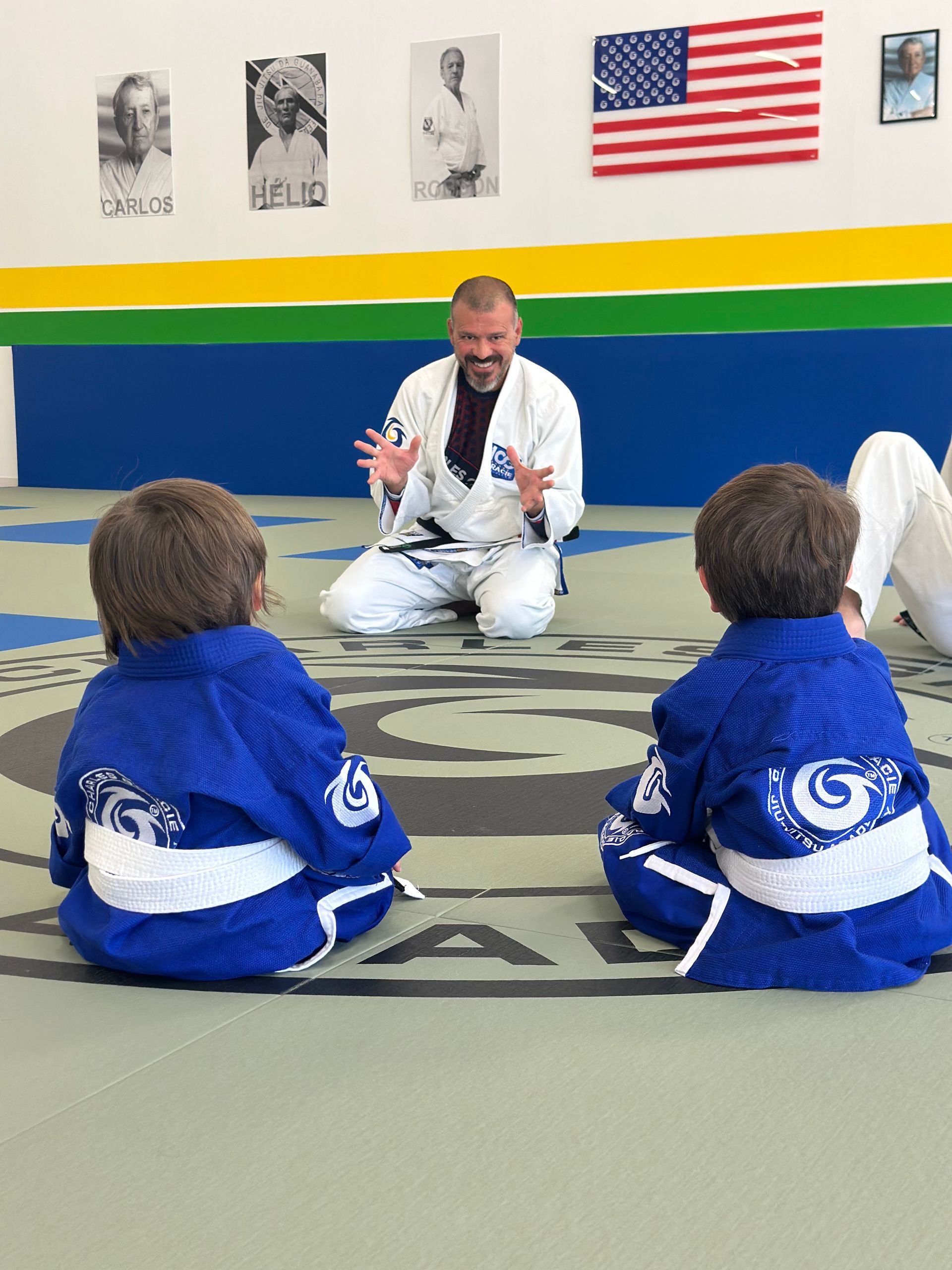
As parents, it's one of the hardest things to watch. Your child is excited to try something new. They can't wait to start. Then, almost as quickly as that excitement appeared, frustration sets in. "I can't do it." "It's too hard." "I'll never get this." Whether it's tying shoes, learning to read, riding a bike, solving a math problem, or stepping onto the jiu-jitsu mats for the first time, every child eventually reaches a moment where they have a choice: push through the frustration or give up. As parents, our instinct is often to jump in and make things easier. We want to fix the problem, encourage them, or protect them from disappointment. But what if those moments of frustration are actually some of the most important moments in a child's development? Frustration Isn't a Sign of Failure One of the biggest misconceptions about learning is that progress should feel smooth. In reality, frustration is often a sign that learning is happening. When children attempt something that is just beyond their current abilities, their brains are building new connections. Psychologists often refer to this as the "productive struggle" that occurs during learning. While it can feel uncomfortable, it's also where meaningful growth takes place. Executive function skills—such as planning, problem-solving, adapting, and self-control—develop gradually through repeated experiences that require children to think, adjust, and try again. In other words, frustration isn't proof that your child can't do something. It's often proof that they're learning. What We See on the Mats Every Week At Charles Gracie Academy Magnolia, we see this almost every day. A child struggles to shrimp across the mat. Another can't quite remember the steps to a technique. Someone gets swept by a training partner for what feels like the hundredth time. There are moments when children want to quit—not because they don't enjoy jiu-jitsu, but because they're experiencing something unfamiliar: being challenged. The beautiful thing is that they aren't facing those challenges alone. Our instructors encourage them, break techniques into smaller pieces, celebrate small victories, and remind them that nobody masters anything overnight. Little by little, frustration begins to turn into confidence. Not because the challenges disappear. Because the child realizes they can overcome them. Confidence Isn't Built by Avoiding Hard Things One of the biggest myths about confidence is that it comes before success. In reality, confidence usually comes after doing something difficult. Every time a child works through frustration instead of giving up, they begin to rewrite the story they tell themselves. Instead of thinking: "I can't do hard things." They begin to think: "This is hard... but I can figure it out." That shift may seem small, but it has enormous implications—not just in martial arts, but in school, friendships, sports, and eventually adulthood. Research on what psychologist Carol Dweck calls a growth mindset has consistently shown that children who learn to view challenges as opportunities to improve are more likely to persist through setbacks, seek out new challenges, and develop resilience over time. The way adults respond to mistakes and frustration plays a significant role in shaping that mindset. What Parents Can Do at Home When your child becomes frustrated, it's tempting to solve the problem for them. Instead, try helping them work through it. A few simple shifts can make a big difference: Replace "You can't do it." with "You can't do it yet." Praise effort, persistence, and problem-solving rather than natural ability. Let mistakes become opportunities for learning instead of something to fear. Remind your child that everyone starts as a beginner. Sometimes the greatest gift we can give our children isn't making life easier. It's helping them discover they're capable of doing difficult things. The Goal Was Never Perfect Jiu-Jitsu Parents often ask us what they should expect their child to gain from Gracie Jiu-Jitsu. Of course, they'll learn practical self-defense skills. They'll improve their coordination, balance, and fitness. Many become more confident and focused. But some of the greatest lessons happen quietly. A child who once cried before class now walks confidently onto the mats. A student who used to give up after one failed attempt stays with a technique until it clicks. Someone who once believed they "weren't good at this" begins helping a newer student through the exact same struggle. Those moments rarely make headlines. But they're the moments that shape character. One Challenge at a Time Life will always present our children with difficult moments. We can't remove every obstacle from their path. What we can do is help them build the confidence to face those obstacles with courage. At Charles Gracie Academy Magnolia, that's one of our favorite parts of teaching. Every class is another opportunity for children to discover that being frustrated doesn't mean they're failing. Sometimes, it simply means they're growing. References American Psychological Association. Research in brain function and learning (executive function, learning readiness, and problem-solving). American Psychological Association. Using praise to enhance student resilience and learning outcomes (Carol Dweck's growth mindset research and the benefits of praising effort and strategy). American Psychological Association. Top 10 Principles from Psychology for Families to Help Children Learn and Succeed in School (growth mindset, persistence, and learning from setbacks).
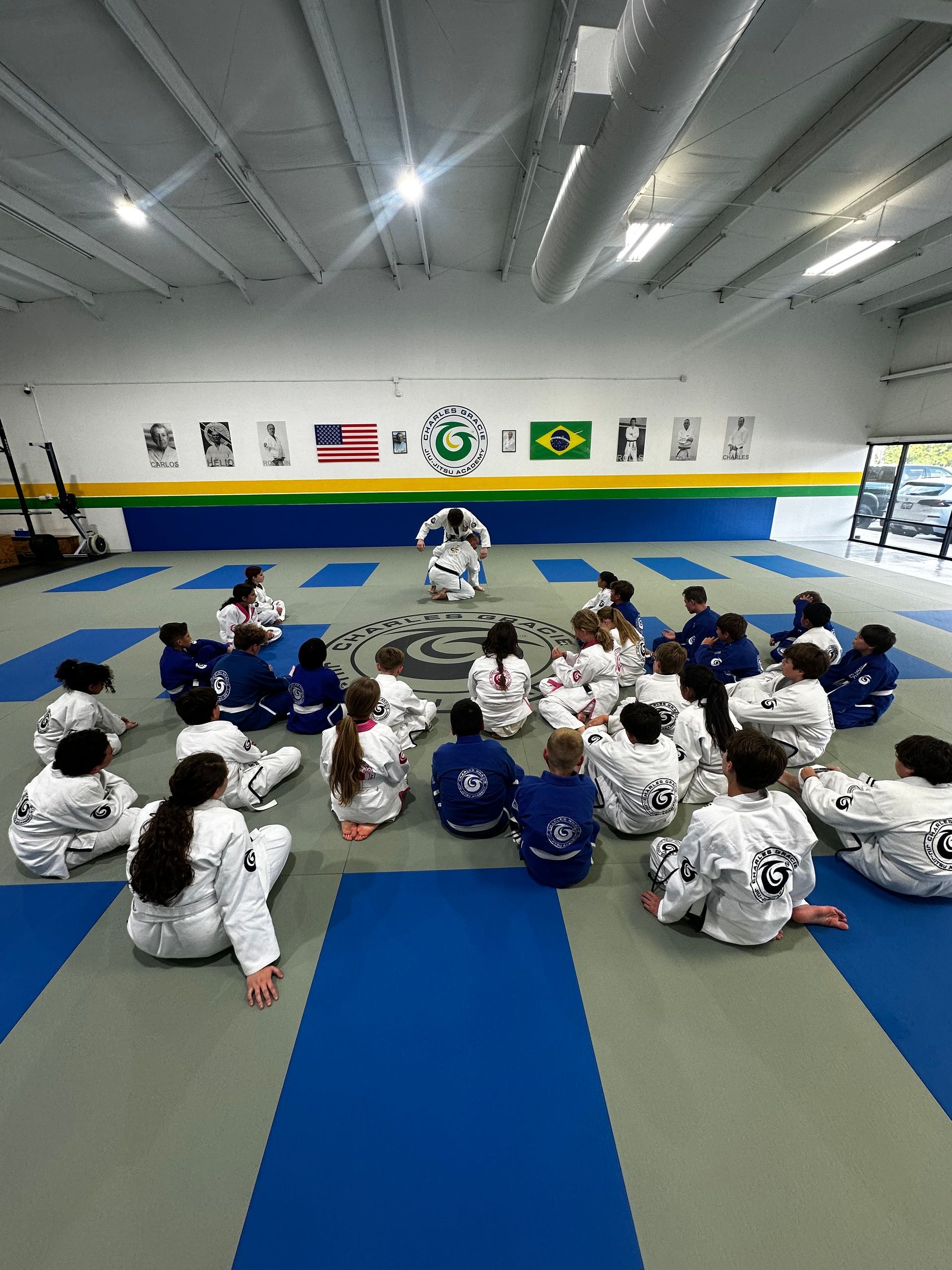
"I don't want to go." At some point, almost every parent hears those words. Maybe it's soccer. Maybe it's piano. Maybe it's swimming. Or maybe it's Gracie Jiu-Jitsu. As parents, we're immediately faced with a difficult question: Do I encourage my child to stick with it, or do I let them quit? There isn't a one-size-fits-all answer, and that's what makes parenting so challenging. Sometimes moving on is the right decision. Other times, pushing through a difficult season helps a child discover confidence they never knew they had. Over the years, we've watched hundreds of children walk through our academy doors, and if there's one thing we've learned, it's this: The first few weeks rarely tell the whole story. Why Kids Want to Quit When adults think about quitting, it's usually because we don't enjoy something. Children are different. Many kids want to quit because they're experiencing something they've never had to navigate before. They're nervous. They don't know anyone. They're afraid of making a mistake. Someone else seems "better." They're frustrated because a technique feels difficult. They had one embarrassing moment. A friend stopped coming. None of those reasons necessarily mean Gracie Jiu-Jitsu—or any activity—is the wrong fit. Often, they simply mean your child is doing something new and uncomfortable. And that's okay. In fact, research consistently shows that participation in organized activities and sports is associated with higher self-esteem, stronger resilience, improved social skills, and better overall psychological well-being in children. Those benefits don't happen because every practice is easy. They often develop because children learn to work through challenges in a supportive environment. Growth Doesn't Always Feel Good One of our youngest students came to class incredibly shy. For the first week, he wouldn't even step onto the mats. He sat quietly on the sidelines while we encouraged him at his own pace. We never forced him to participate. Instead, we celebrated the smallest victories—standing a little closer, stepping onto the edge of the mat, and eventually putting on his uniform. Weeks later, he was participating in class. Today, he's smiling, training alongside his classmates, and continuing to grow in confidence every week. If his family had judged his experience after that first week, they might have assumed Gracie Jiu-Jitsu simply wasn't for him. Instead, they gave him the time and support he needed to become comfortable. His story reminds us that confidence often grows quietly, one small step at a time. Interestingly, research has also shown that structured martial arts programs—including Gracie Jiu-Jitsu's parent art, Brazilian Jiu-Jitsu—can improve resilience in children over relatively short periods of time. Every child progresses differently, but learning to work through challenges in a safe, encouraging environment can have lasting benefits that extend well beyond the mats. When Should Parents Encourage Their Child to Stick With It? Every child is different, but before making a decision, it can be helpful to ask yourself a few questions: Is my child having one difficult day, or have they consistently been unhappy for several weeks? Are they frustrated because something feels hard, or have they genuinely lost interest? Have they had enough time to become comfortable with the environment? If they quit today, what lesson will they take away from the experience? Sometimes the greatest lesson isn't learning a self-defense technique or earning a new belt. Sometimes it's learning: "I can do hard things." Research has found that children are more likely to stay involved in sports when they genuinely enjoy the experience and feel supported by parents, coaches, and teammates. That's one of the reasons we place such a strong emphasis on creating a welcoming, encouraging environment. Children are much more likely to persevere when they feel safe enough to learn, make mistakes, and grow. Children don't build confidence by always feeling confident. They build confidence by discovering they can do something they once thought they couldn't. When It Is Okay to Move On It's also important to recognize that not every activity is the right fit for every child. Children grow. Their interests change. Sometimes schedules become overwhelming. Sometimes another activity truly captures their passion. Allowing a child to move on after giving something an honest effort isn't failure; it's simply part of discovering who they are. The goal isn't to make children finish everything they start. The goal is to help them make thoughtful decisions rather than emotional ones. The Quiet Victories As instructors, some of our proudest moments have nothing to do with tournaments or belts. They're the quiet victories that many parents don't notice at first. The child who finally walks onto the mat without hesitation. The student who raises their hand to answer a question. The shy child who introduces themselves to a new classmate. The student who loses a match, smiles, and says, "Can I try again?" Those moments don't happen overnight. They happen because children are given the opportunity to work through discomfort instead of immediately walking away from it. Those are often the moments that shape who they become—not just as students, but as people. A Final Thought Every family is different, and every child is different. Our role isn't to tell parents whether they should let their child quit; it's to encourage families to look beyond one difficult day and consider the bigger picture. Sometimes the greatest gift we can give our children isn't protecting them from uncomfortable moments; it's helping them discover that they're capable of overcoming them. At Charles Gracie Jiu-Jitsu Magnolia, we understand that every child's journey is different. Some students jump right onto the mats. Others need a little more time—and that's okay. Our goal isn't simply to teach Gracie Jiu-Jitsu. It's to create an environment where children feel supported as they build confidence, resilience, respect, and a lifelong love of learning. Because long after they forget the techniques they learned, they'll remember something much more important: They were capable of doing something they once thought they couldn't. References Eime RM, Young JA, Harvey JT, Charity MJ, Payne WR. A systematic review of the psychological and social benefits of participation in sport for children and adolescents. Systematic Reviews. Lakes KD, et al. Effects of a school-based martial arts intervention on resilience in adolescents. British Journal of Educational Psychology. O'Rourke DJ, Smith RE, Smoll FL, Cumming SP. Parent-initiated motivational climate and youth sport participation: A systematic review.
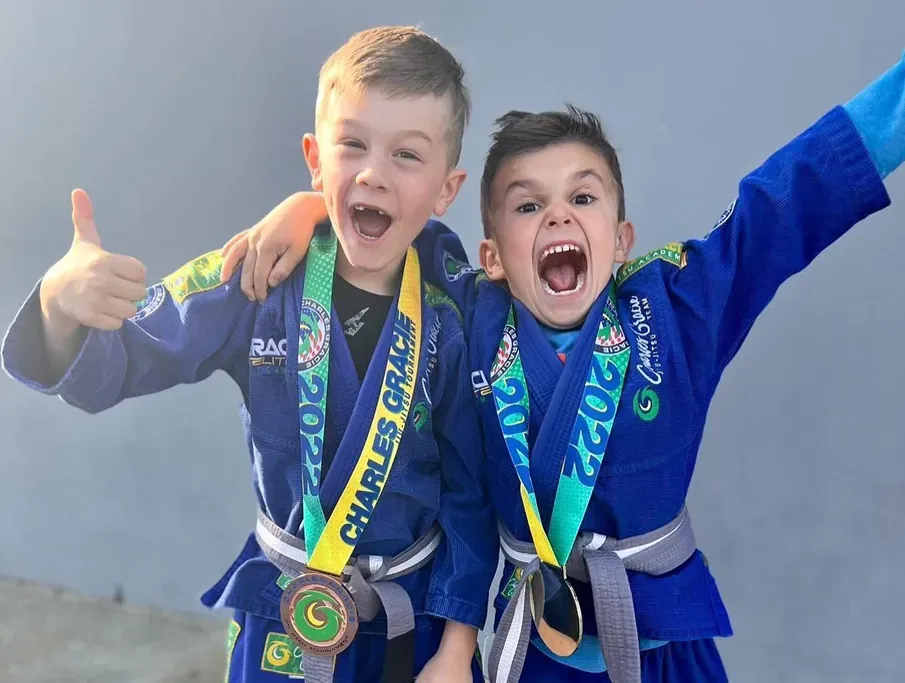
If you've ever found yourself saying... "My child hated soccer." "Baseball just wasn't their thing." "They didn't enjoy basketball." "They don't seem interested in team sports." ...you're certainly not alone. Many children thrive in team sports. They build friendships, learn cooperation, and develop valuable life skills. In fact, research consistently shows that participating in organized sports—especially team sports—is associated with positive physical, social, and emotional development. But what if your child simply doesn't enjoy that environment? Does that mean they're "not athletic?" Absolutely not. It may simply mean they haven't found the activity that's right for them. Every Child Is Different Some children love the excitement of a crowded soccer field. Others feel overwhelmed by it. Some enjoy working as part of a large team. Others prefer learning at their own pace. Neither personality is better than the other—they're simply different. As parents, our goal isn't to force children into activities they dislike. It's to help them discover something they'll enjoy enough to keep doing. Why GRACIE Jiu-Jitsu Feels Different One of the things we love most about Brazilian Jiu-Jitsu is that it combines the best of both worlds. Our students train together. They encourage one another. They celebrate each other's successes. They form friendships that often extend beyond the academy. In that sense, it absolutely feels like a team. But when it's time to learn? Each student's progress is their own. There isn't pressure to score the winning goal. There isn't a bench to sit on. There isn't a fear of letting teammates down after making a mistake. Instead, students focus on becoming a little better than they were yesterday. For many children, that shift changes everything. Progress You Can See One of the biggest differences parents notice in Gracie Jiu-Jitsu is that growth is visible. Children work toward stripes and belts by consistently showing up, improving their techniques, demonstrating good character, and putting in the effort. They're not competing against their classmates; they're developing themselves. That can be incredibly motivating, especially for children who became discouraged in other sports because they constantly compared themselves to others. What Does the Research Say? Research continues to show that organized sports provide important benefits for children, including improved physical health, self-esteem, and social development. Research on martial arts has also found promising benefits. Studies suggest that children who participate in martial arts may demonstrate improvements in executive functioning, attention, self-regulation, and physical fitness. While more research is still needed, the findings support martial arts as a valuable activity for children's overall development. The takeaway isn't that one activity is universally "better" than another. It's that the best activity is the one your child enjoys enough to keep showing up for. We've Seen It Time and Time Again At Charles Gracie Jiu-Jitsu Magnolia, we've met many children who tried several sports before walking through our doors. Some loved soccer. Some loved baseball. Some still play both. Others quietly admitted... "I just didn't like it." Then they found Gracie Jiu-Jitsu. Not because it was easier. Because it fit who they were. Watching a child discover confidence in an activity they genuinely enjoy is one of the most rewarding parts of what we do. It Doesn't Have to Be Either/Or One of the biggest misconceptions about Gracie Jiu-Jitsu is that it has to replace other sports. It doesn't. Many of our students play soccer, baseball, football, volleyball, or participate in dance while also training in jiu-jitsu. Brazilian Jiu-Jitsu complements many activities by helping children develop balance, coordination, body awareness, problem-solving, discipline, and resilience—skills that carry over into many aspects of life. The Right Sport Is the One They'll Keep Coming Back To At the end of the day, every child deserves an activity where they feel challenged, supported, and excited to learn. For some children, that's a team sport. For others, it might be Gracie Jiu-Jitsu. The important thing isn't choosing the "perfect" sport. It's finding the place where your child can grow, build confidence, and discover what they're capable of. If your child hasn't found that place yet, we'd love to meet your family. Schedule a free trial at Charles Gracie Jiu-Jitsu Magnolia and see why so many Magnolia-area families have discovered that Brazilian Jiu-Jitsu is more than just a martial art—it's a place to belong.
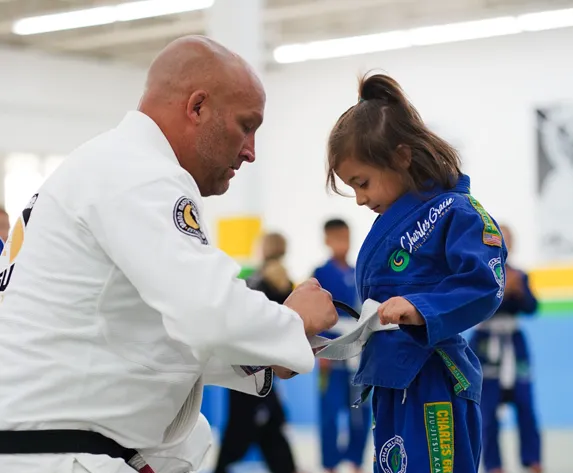
Is your child anxious before Jiu-Jitsu class? Learn how to support them and build confidence with guidance from our expert instructors.
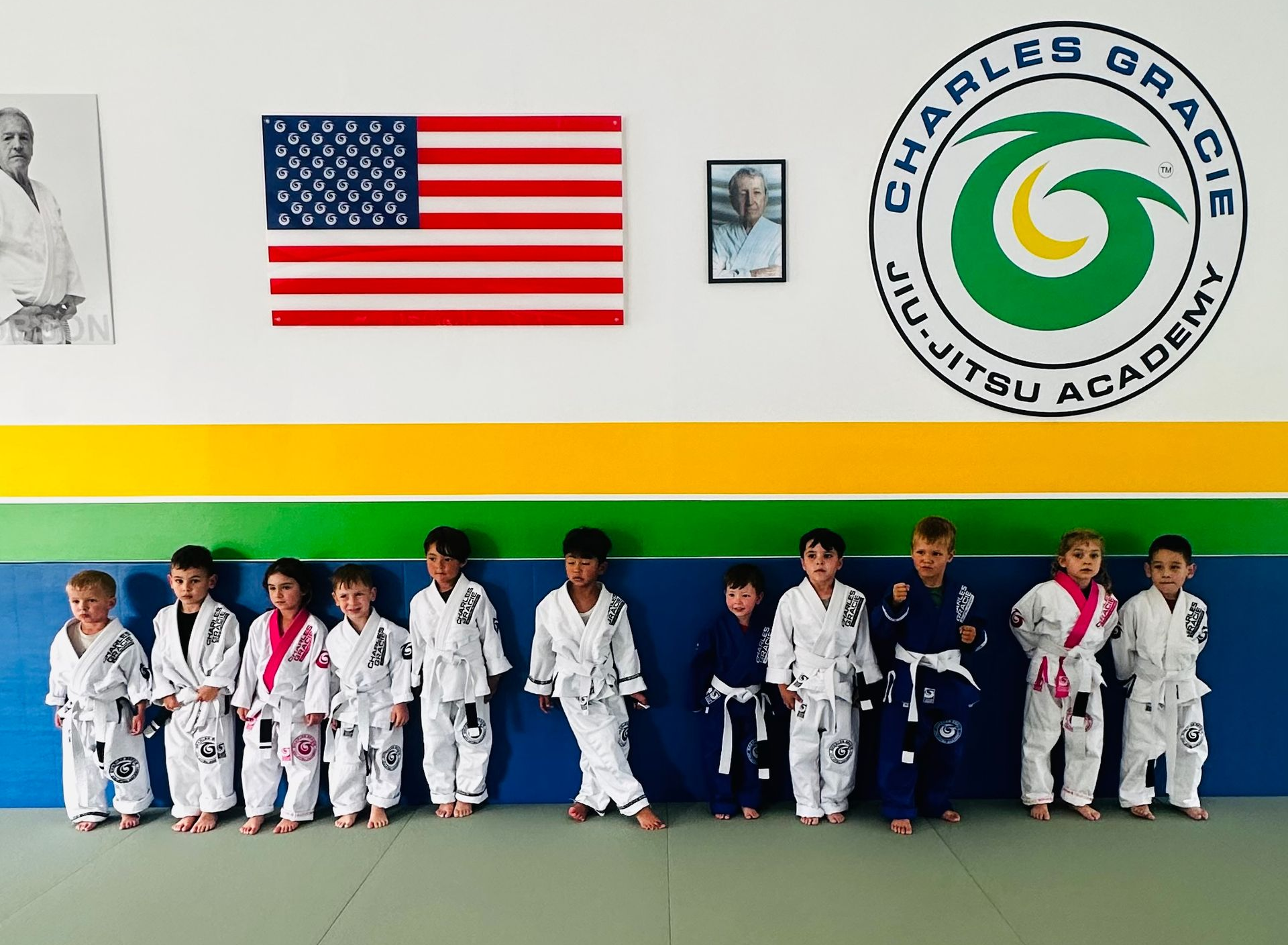
Help your shy child gain confidence through Brazilian Jiu-Jitsu. Join us at Charles Gracie Jiu-Jitsu Magnolia for supportive classes.
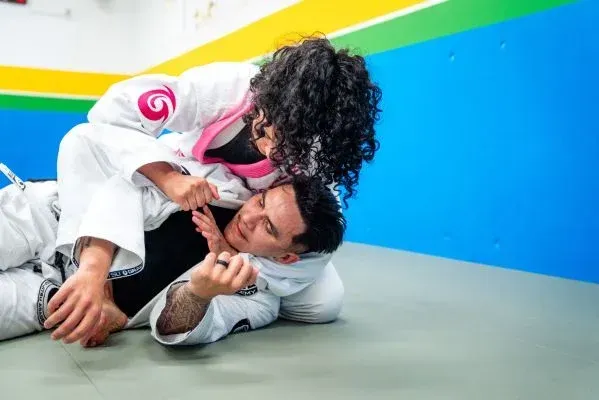
Learn the key differences between Sport & Self-Defense Jiu-Jitsu. Choose the right training for you at Charles Gracie Academy Magnolia.
Learn what sets Charles Gracie Jiu-Jitsu apart. Join us for beginner-friendly classes focused on safety & personal growth.